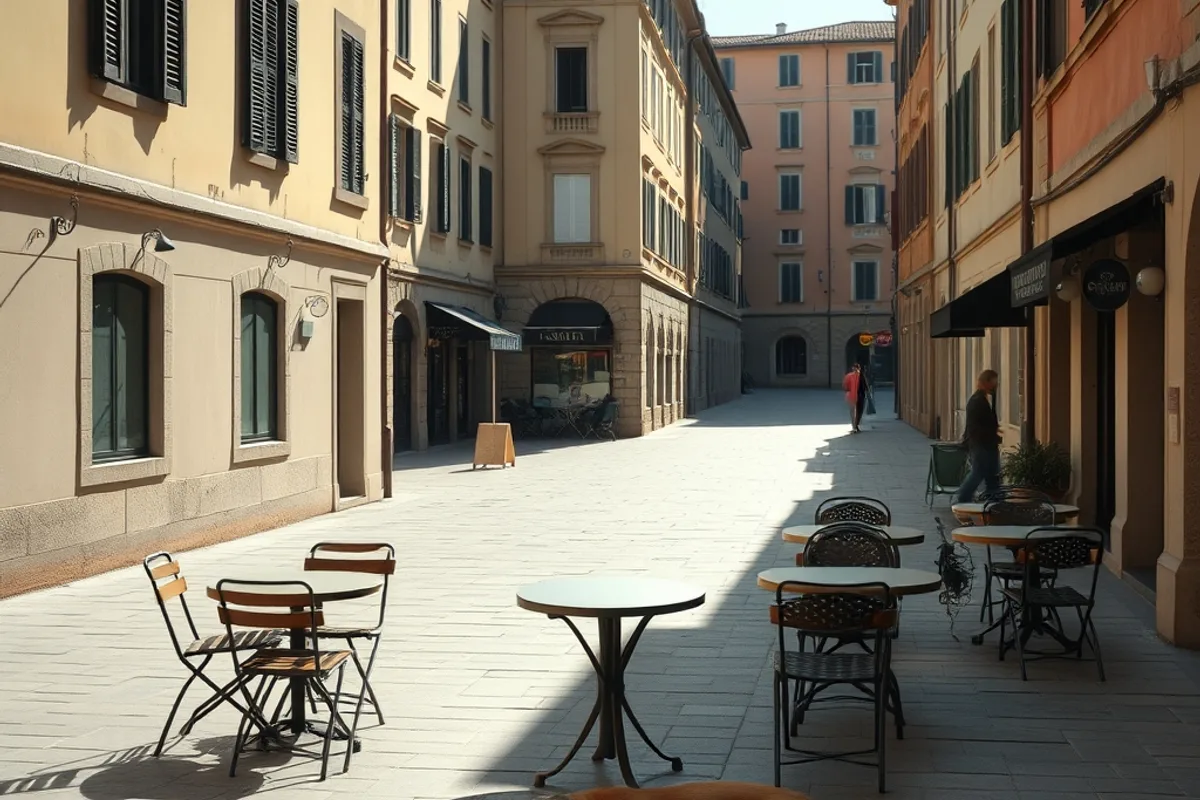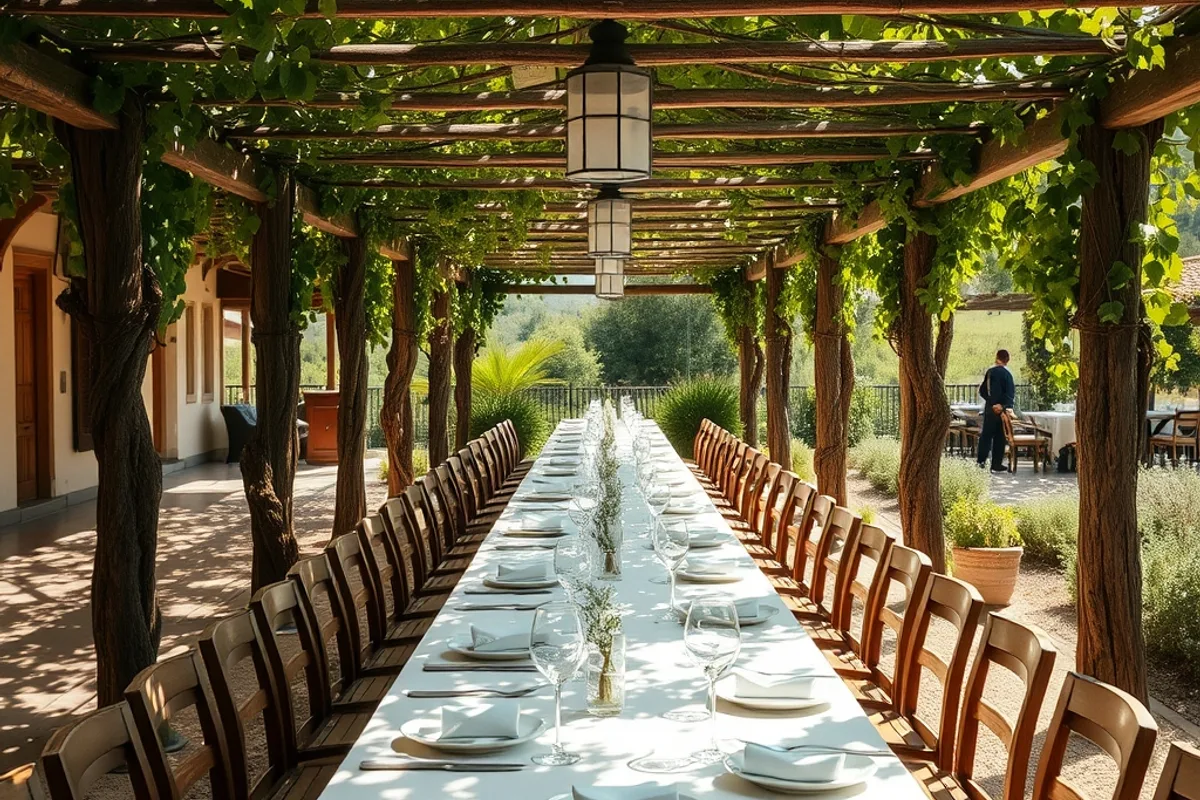
The restaurant opens at twelve and serves until three. By half past twelve, the locals have arrived: a family with a baby, two men in work clothes, a group of women who clearly do this every week. By one, the terrace is full. By two, the pace has slowed to something closer to a conversation than a service.
This is the long lunch, and it is one of the great inventions of southern Europe. It is also one of the hardest things for a visitor to do well. The temptation is to treat it as a big meal to be fitted into a sightseeing schedule. The reality is that it is a way of spending time, and the food is only part of it.
The tyranny of the itinerary
Most travel is organised around scarcity. You have three days, six sights, two restaurants and a train to catch. Lunch becomes a transaction: find the highest-rated place near the museum, order the signature dish, eat in forty minutes, leave. There is nothing wrong with this. It is efficient, and sometimes efficiency is what you need.
But it is not the only way. A long lunch requires you to give up the afternoon. It requires you to sit at a table with no agenda, to order more than you planned, and to accept that the service will be slow because the kitchen is not designed for speed. In exchange, you get a different view of the place: who eats there, how they talk, what they do when they are not working.
What a long lunch is for
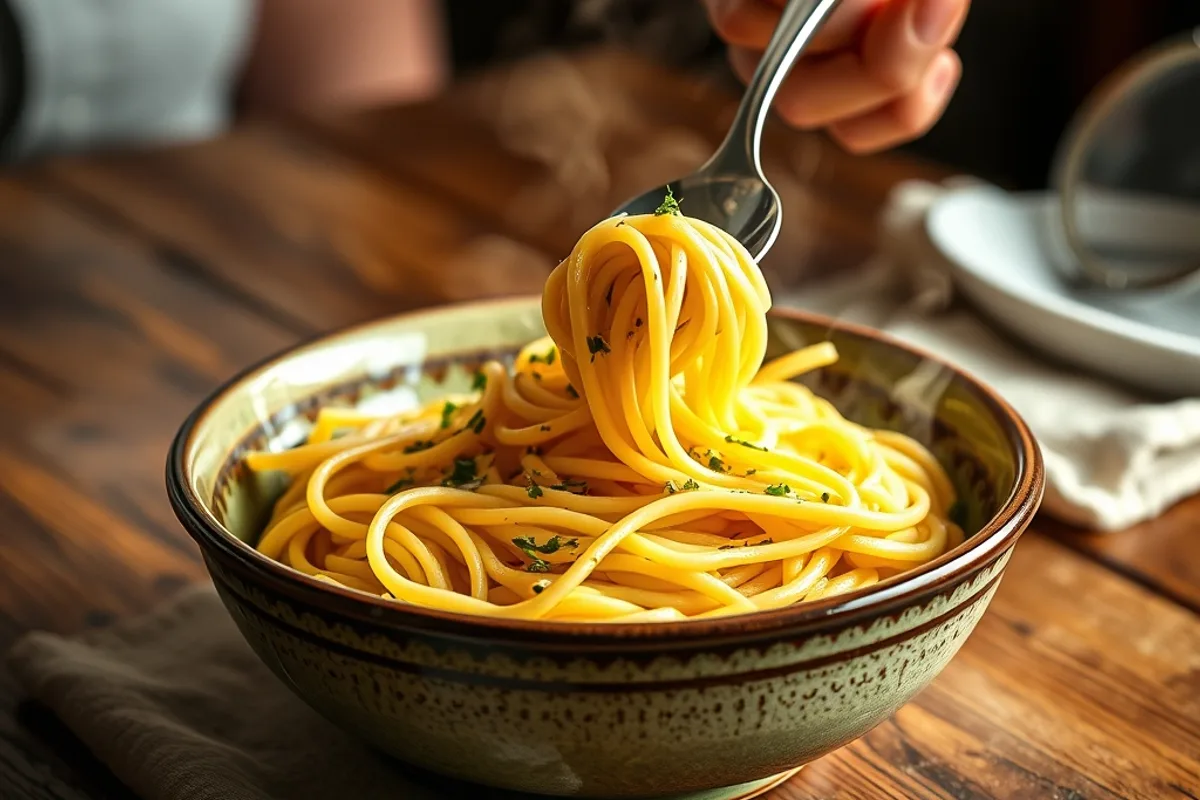
A long lunch is not primarily about food. It is about attention. The meal provides a structure: an aperitif, a first course, a second course, cheese, coffee, a small glass of something sweet. Within that structure, time expands. You notice the light moving across the table. You hear the kitchen. You talk to the people next to you.
It is also a way to understand a local economy. The menu tells you what is in season. The prices tell you who the restaurant expects to serve. The pace tells you how the town organises its day. In a place where the shops close at one and reopen at four, lunch is not an interruption. It is the main event.
Reading the room
Before you sit down, look at the room. Are the guests mostly local or mostly tourists? Is the menu translated into four languages? Is there a fixed tourist menu and a separate list of the day? These are not moral judgments; they are clues about what kind of meal you are about to have.
A restaurant full of locals at 12:30 on a Tuesday is usually a good sign. So is a short menu, handwritten, with items crossed out. A vast menu with photographs is usually a warning. So is a waiter who tries to upsell the most expensive dish before you have opened the menu.
Look at the tables, too. Are people sharing? Are there children? Is anyone in a hurry? The best long-lunch restaurants are the ones where nobody is waiting for your table.
The menu problem
The classic mistake is to order too much at the start. A long lunch is a marathon, not a sprint. Start with something small: a plate of cured meat, a few vegetables, a bowl of soup. Then choose one substantial course. Leave room for cheese or dessert, even if you think you do not want it.
Ask the waiter what they would eat. This is not a naive question; it is a practical one. In a good restaurant, the answer will tell you what is fresh and what the kitchen is proud of. In a bad one, it will tell you what they are trying to get rid of.
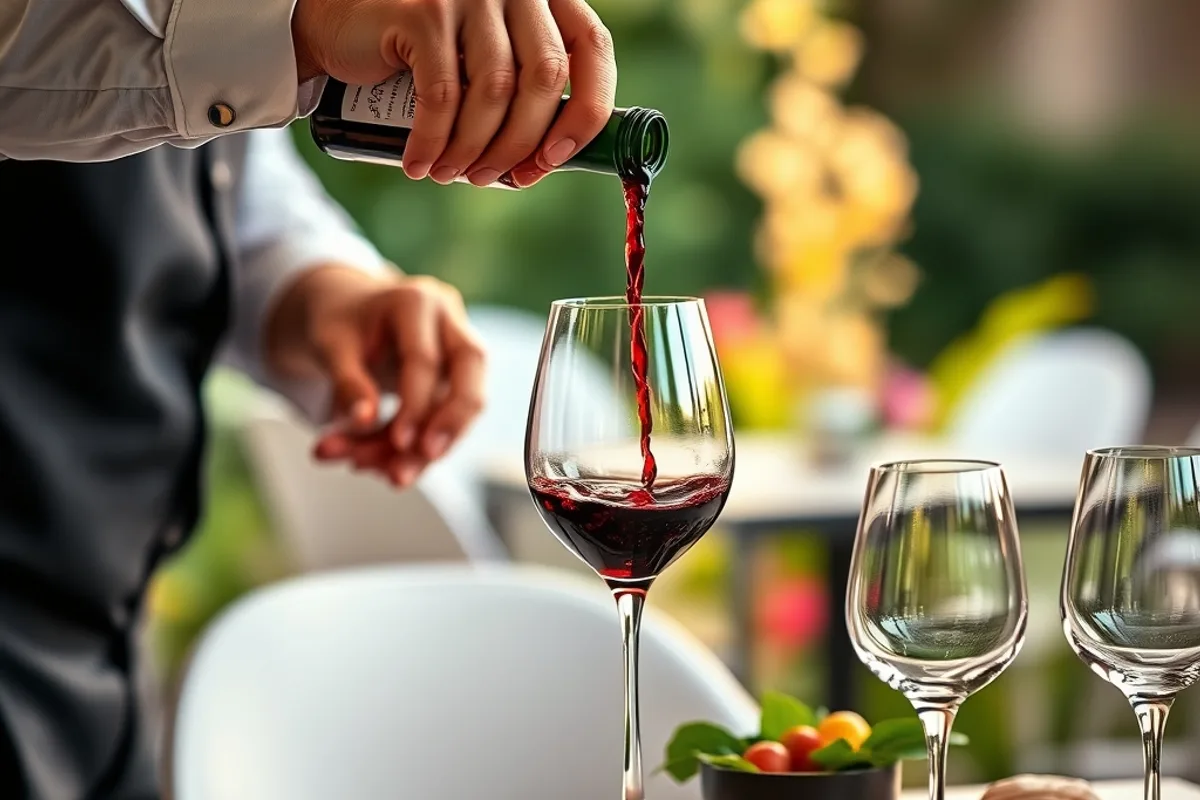
Drink water. If you drink wine, drink less than you think you should. The point is to stay awake for the afternoon, not to miss it.
The afternoon after
After lunch, do not rush to the next sight. Walk slowly. Sit in a square. Have a coffee. The hours between three and six are the most underrated in European travel: the museums are still open, the streets are quieter, and the light is better. If you have eaten well, you will not need dinner until late.
This is the real gift of the long lunch: it reorganises the day. Instead of two meals and a lot of snacks, you have one long, generous meal and a lighter evening. Instead of fitting the place into your schedule, you fit your schedule around the place.
A slower measure
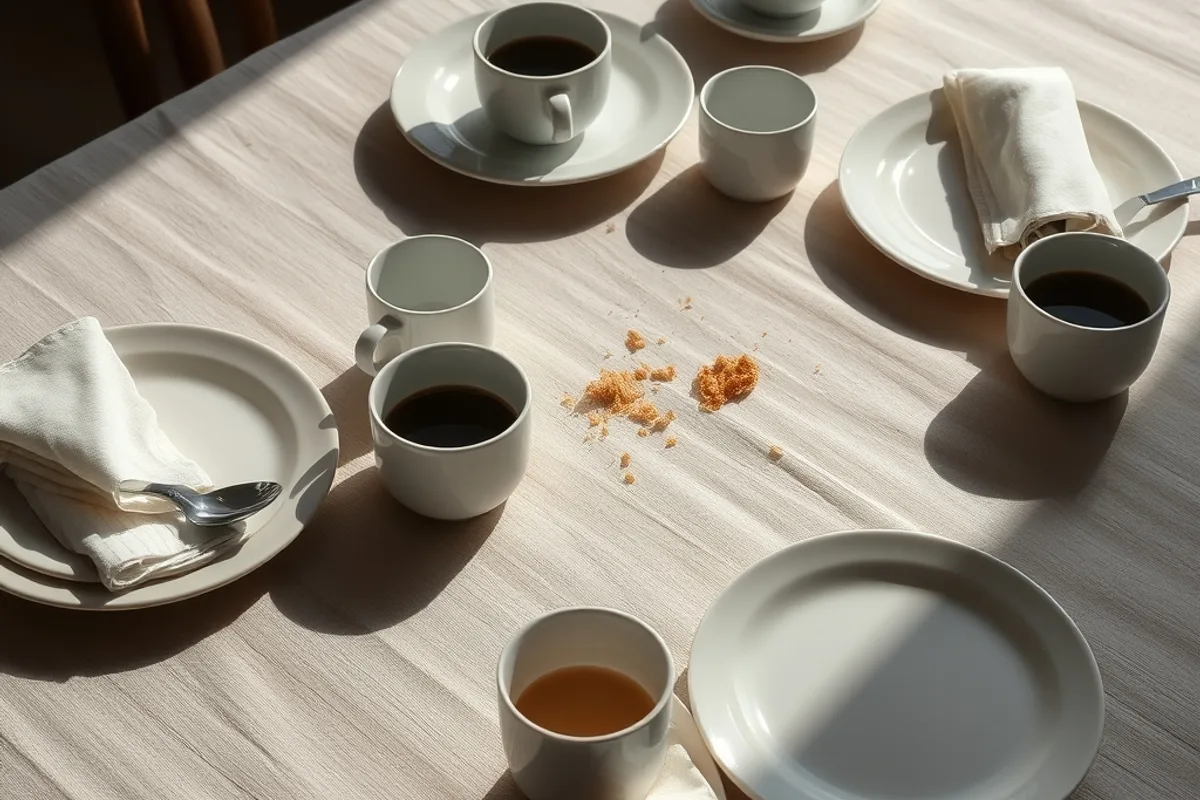
The best lunch I have had abroad lasted four hours and cost less than a ticket to a famous museum. I remember the table, the owner, the argument about football, the plate of apricots at the end. I do not remember what I was planning to see that afternoon.
That is not a failure of itinerary. It is the itinerary working. Some of the most valuable hours of a trip are the ones you cannot photograph, because you were too busy sitting in them.