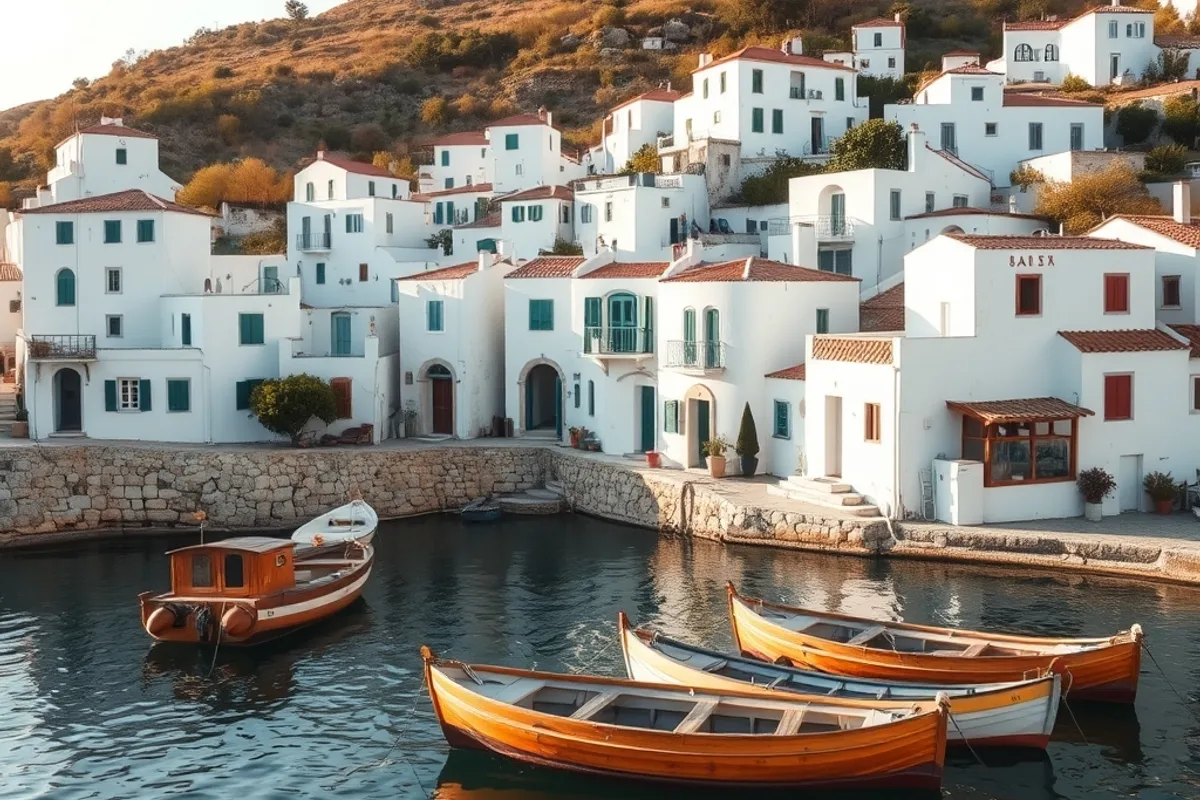
On the last Saturday in October, the ferry leaves the island at four in the afternoon and does not come back until Monday. The people who run the taverna on the harbour front know this, so they close at three. The baker knows it too, and makes one fewer tray of spanakopita. By five, the only sounds on the waterfront are a dog barking at a scooter and the slap of water against the fishing boats.
For a certain kind of traveller, this is the moment the island becomes interesting. The brochure version — white walls, blue domes, a sunset photographed from the same angle by ten thousand people — is a summer product. What remains in November is a working place with a school, a doctor who visits twice a week, and a bus timetable that has more to do with the needs of residents than with the convenience of visitors.
Islands across the Aegean are discovering that these months are not a dead season to be endured. They are a different season, with a different market, and a set of problems that are easier to solve when the crowds have gone.
The last ferry
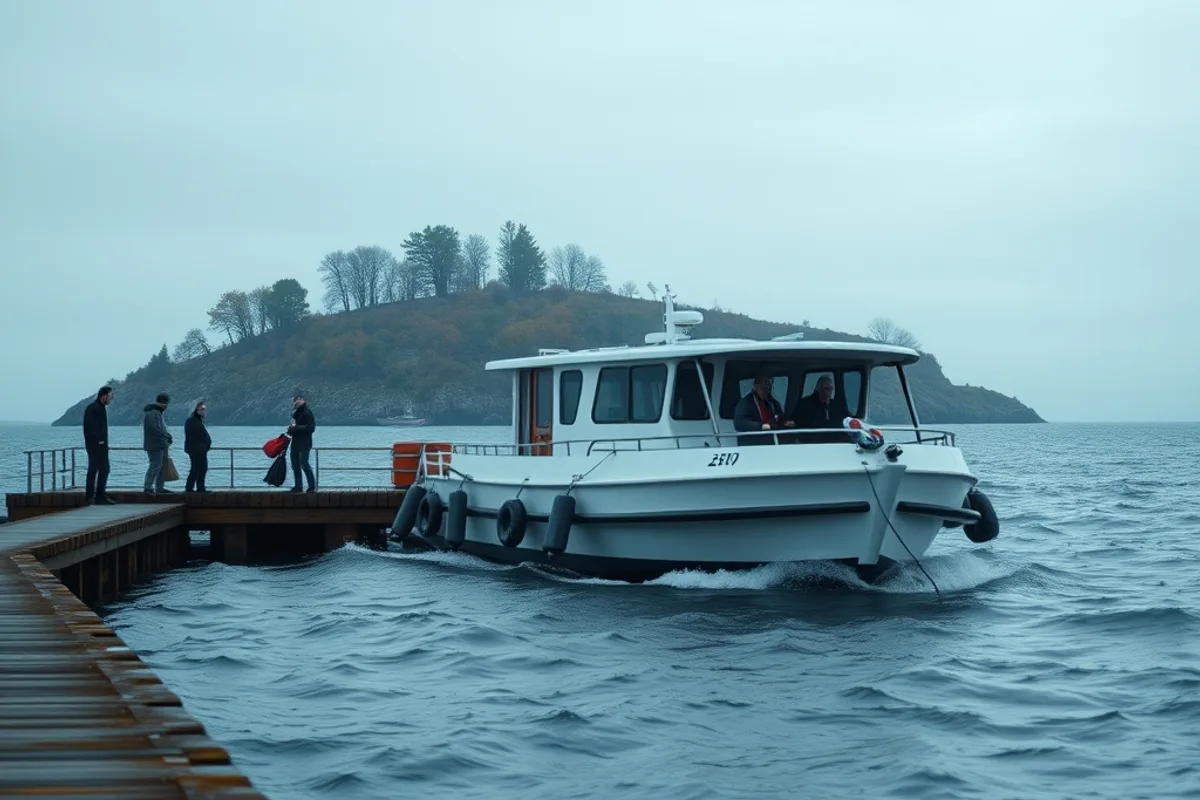
The departure of the last fast ferry is a small civic event. The port fills with people carrying bags of shopping from the mainland, a few returning residents, and the last of the summer staff. The crew know everyone. The ticket office closes early. For the next five months, the island's connection to the world will be a slower boat, a smaller plane, and the internet.
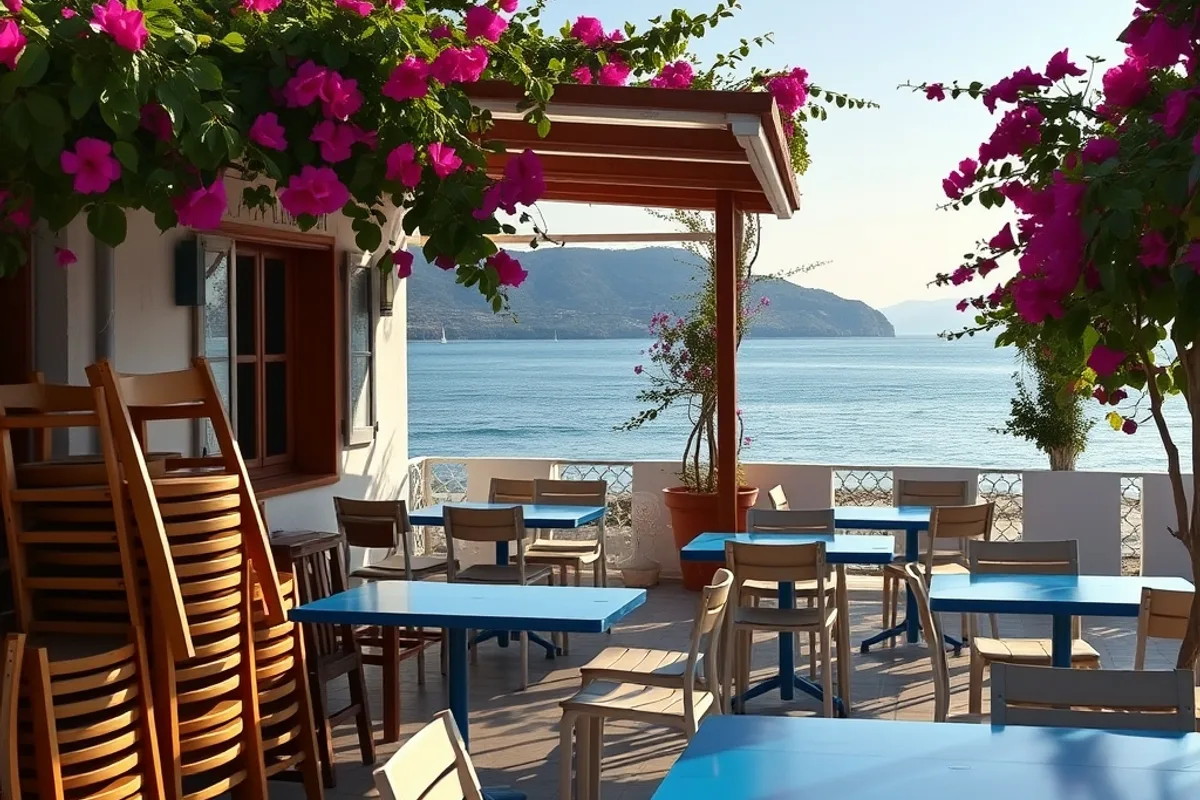
This rhythm is older than tourism, but tourism changed what it means. In the 1980s and 1990s, the seasonal shutdown was simply how island life worked: people fished, farmed, built, repaired and saved. Now the summer is so dominant that the other months feel like a failure. Hotels that once stayed open year-round close in October because the staff have gone and the bookings have stopped. Restaurants follow. The town contracts.
The contraction is not only economic. It is social. Young people leave for the mainland in September and do not come back. The school roll falls. The winter population ages. By February, the island can feel like a place that exists mainly to wait for June.
A working island
Spend a week there in November and a different picture emerges. The fishing boats still go out, though not every day. The olive harvest is underway on the terraces above the village. Builders are repairing the rooms that will be rented next summer. The municipal crew is repainting the school. A van delivers gas bottles to houses that have no road access.
This is the island's real economy, and it is more varied than the visitor sees in August. There are people who work remotely for mainland companies, a few who run small food businesses, and a generation of younger residents who have returned because housing is cheaper here than in Athens. They are not nostalgic about the past. They are trying to build a year that works.
That is where off-season tourism becomes useful. Not as a rescue, and not as a discount version of summer, but as one more source of income in a month that would otherwise be empty. A guest in November is worth less than a guest in July, but they are also cheaper to serve: no air conditioning, no beach staff, no extra cleaning between weekly turnovers. The marginal economics are better than they look.
What closes and what opens
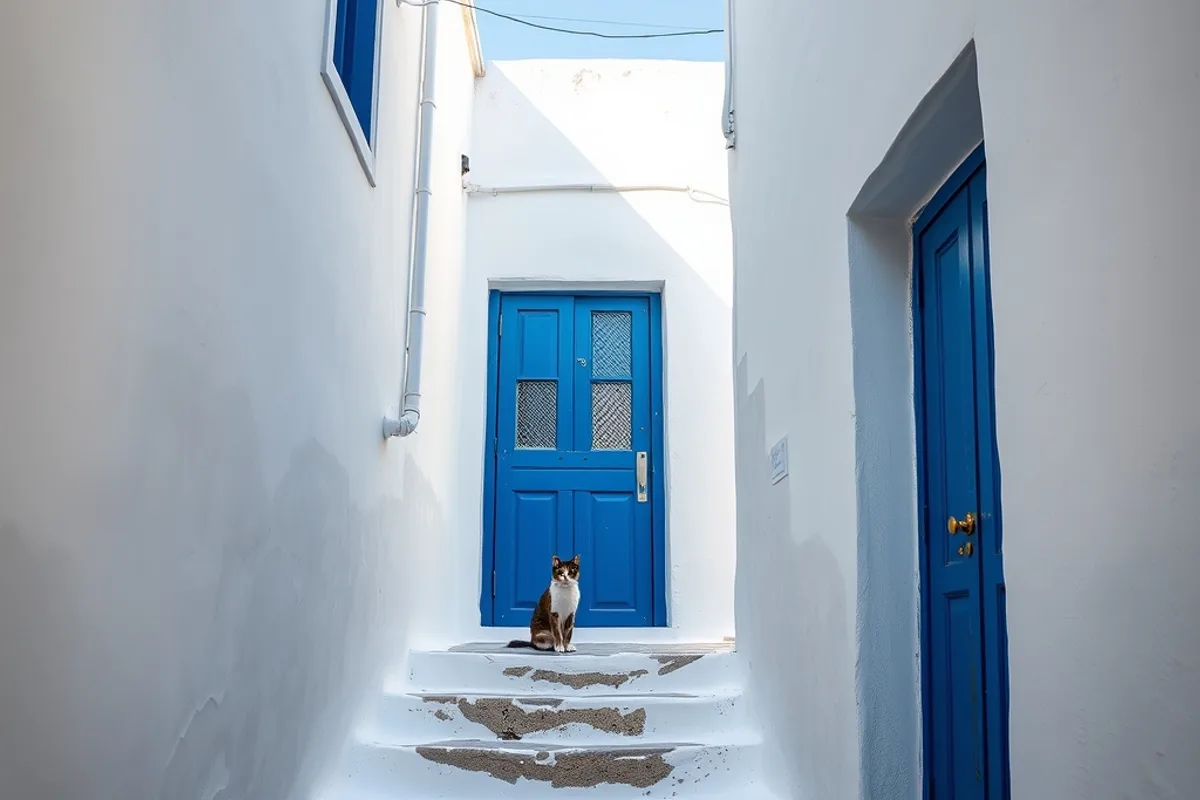
The practical reality is mixed. Many hotels close. The famous beaches have no sunbeds and no lifeguard. Some restaurants shut completely; others open only in the evening, or only at weekends. The archaeological site keeps shorter hours. The bus runs four times a day instead of twelve.
But other things open. The kafeneio on the square, which is too hot and too full in August, becomes a living room. The baker starts making winter breads. The cultural association runs film nights and music in the old school. The walking paths, overgrown and unbearable in the heat, become the best thing on the island.
The weather is a gamble. You may get a week of clear, cool sunshine, or three days of rain and a force-eight wind that closes the ferry. The light, when it comes, is better than in summer: lower, longer, and soft enough to photograph the ordinary streets without the glare.
The economics of a longer season
Island municipalities have started to talk seriously about extending the season, but the incentives are tricky. A hotel owner who stays open in November must pay staff, heating and maintenance for a handful of guests. A ferry company that runs a winter service needs a subsidy. A restaurant that opens for lunch on a Tuesday in February may serve six people.
The solutions are incremental. Some islands keep a minimum bus service and publish it in English. A few hotels offer long-stay winter rates aimed at remote workers. Local cooperatives run harvest weeks and walking festivals in October and March. None of this transforms the economy. Together, it thickens the months at the edges.
The risk is that the off-season becomes a second high season, with the same concentration of visitors and the same pressure on water and housing. The point is not to fill every week. It is to make the year less extreme: fewer frantic months, fewer empty ones.
How to visit without getting in the way
Go with realistic expectations. Check what is actually open, directly, rather than trusting a summer listing. Book the first and last nights carefully, because those are the transfers most likely to fail. Build slack into the itinerary. Learn the word for closed, and accept it.
Spend where it matters: the local bakery, the family restaurant that stayed open, the guide who lives on the island year-round. Avoid treating the place as a photography set. Ask before photographing people. If a taverna is empty, that is not an invitation to occupy it for four hours with one coffee.
And do less. The island in November does not offer a packed programme. It offers long walks, cold swims, a library, a square, and the chance to be somewhere that is not performing for you.
The island in November
On the last evening of my visit, the kafeneio fills with men playing cards and a woman selling homemade sweets from a plastic box. The heating is on too high. Someone puts a plate of olives on the table without being asked. Outside, the sea is black and loud, and the ferry lights are visible on the horizon, moving towards the mainland.
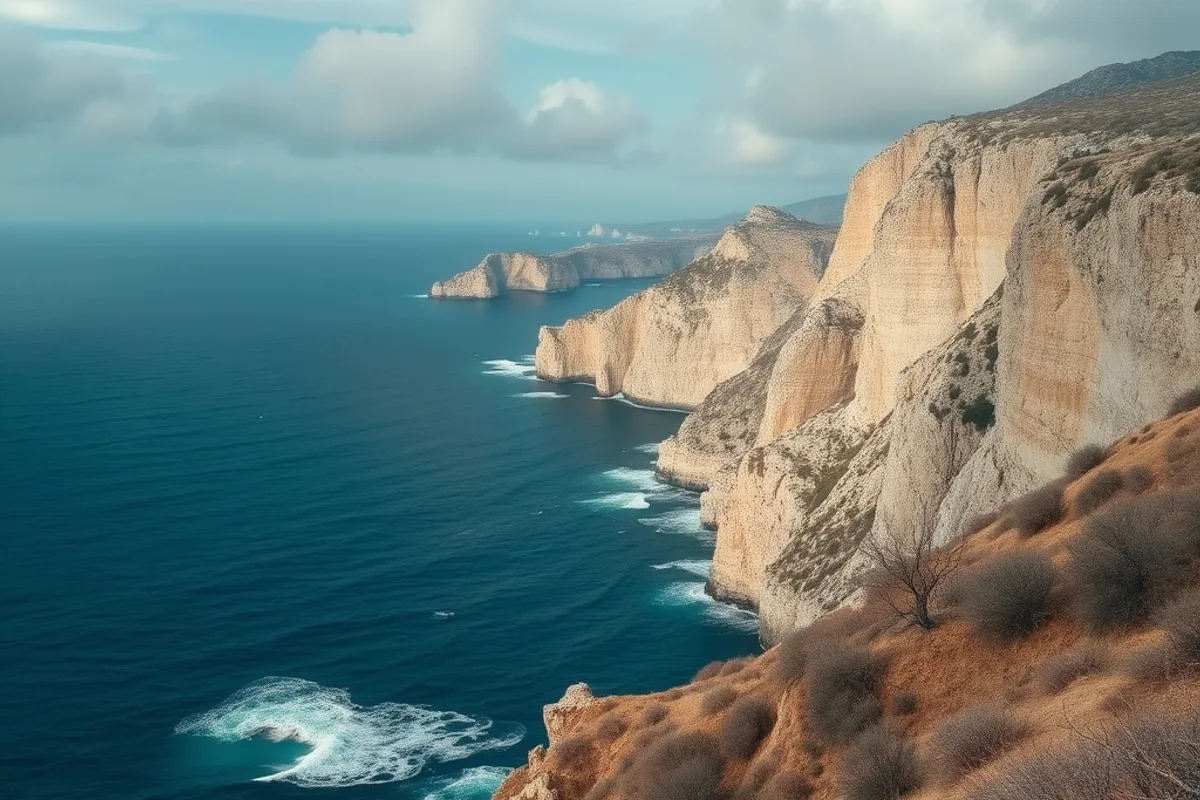
This is not the island of the brochure. It is better: a place that exists for its own reasons, and is willing to let you stay for a while, as long as you do not expect it to pretend it is summer.