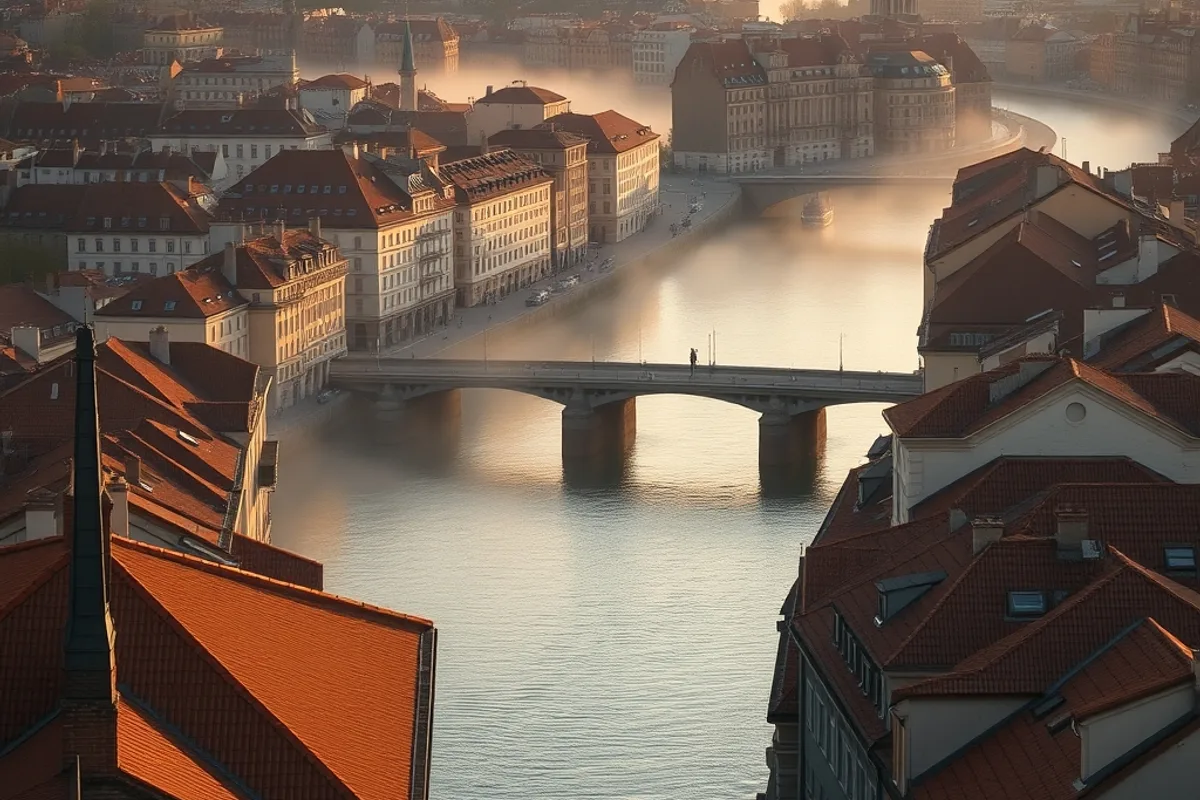
The first time I came to Porto, the Ribeira was quiet enough to hear a radio playing fado from an open window. The second time, five years later, it was a single slow-moving queue of people taking the same photograph of the same bridge. The third time, last month, I walked down to the river at seven in the morning and found the city had quietly reclaimed itself.
This is not a story about overtourism ruining a place, although Porto has had its share of that argument. It is a story about how a city adjusts. Porto now has more visitors than it did a decade ago, more hotels, more guided tours and more complaints about rent. It has also developed a kind of internal clock: a knowledge of when to be a destination and when to be a city.
A city that was loved too quickly
Porto's rise was fast. Cheap flights, a reputation for good food and wine, and the enormous success of the Livraria Lello bookshop turned a working port into a weekend break. Between 2014 and 2019, the number of overnight stays climbed sharply. Apartments replaced long-term rentals. The historic centre became a stage.
The pandemic interrupted the story, but it did not reverse it. What changed was the conversation. Residents began to organise. The city introduced limits on new holiday flats in some parishes. Tourism taxes rose. There is still tension, especially around housing, but there is also a more honest reckoning with what kind of city Porto wants to be.
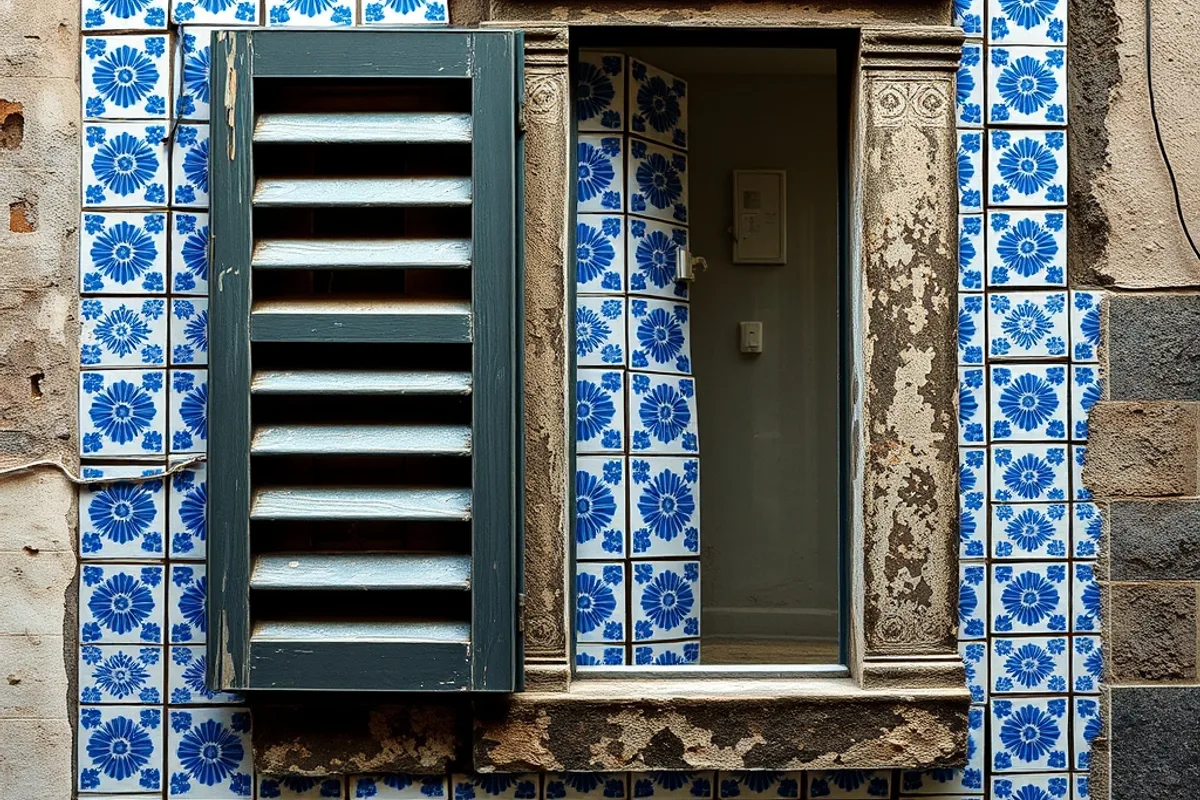
For the visitor, the practical consequence is that the best version of Porto is not the one sold at the airport. It is the one that exists on either side of the crowds: early morning, late afternoon, and the parts of the city that are not on the ten-stop walking route.
The morning before the tours
At seven, the Ribeira belongs to delivery vans and seagulls. The cafes are opening, the shutters are going up, and the first tram is being washed at the depot. If you walk east along the river, away from the bridge, you pass warehouses, a small boatyard and a row of houses with laundry hanging over the water. Nobody is selling anything.
By nine, the first guided groups arrive. By eleven, the bridge is crowded. This is not a reason to avoid the sights; it is a reason to sequence them. See the famous things early, then spend the middle of the day somewhere else. The city is compact enough to walk, but the hills are real, and the cobbles are slippery when wet.
My routine was simple: a coffee and a pastry standing at a counter, a long walk before the heat, a market, a late lunch, and then the far bank in the afternoon. It is not original advice. It is the only way I have found to have a city rather than a checklist.
The market as a map
The Bolhão market was renovated a few years ago, and the result is a compromise: cleaner, more expensive, still useful. The fishmongers are real. The vegetable stalls are real. There is a tourist aisle selling tinned sardines and branded aprons, and there is a local aisle selling the things people actually cook.
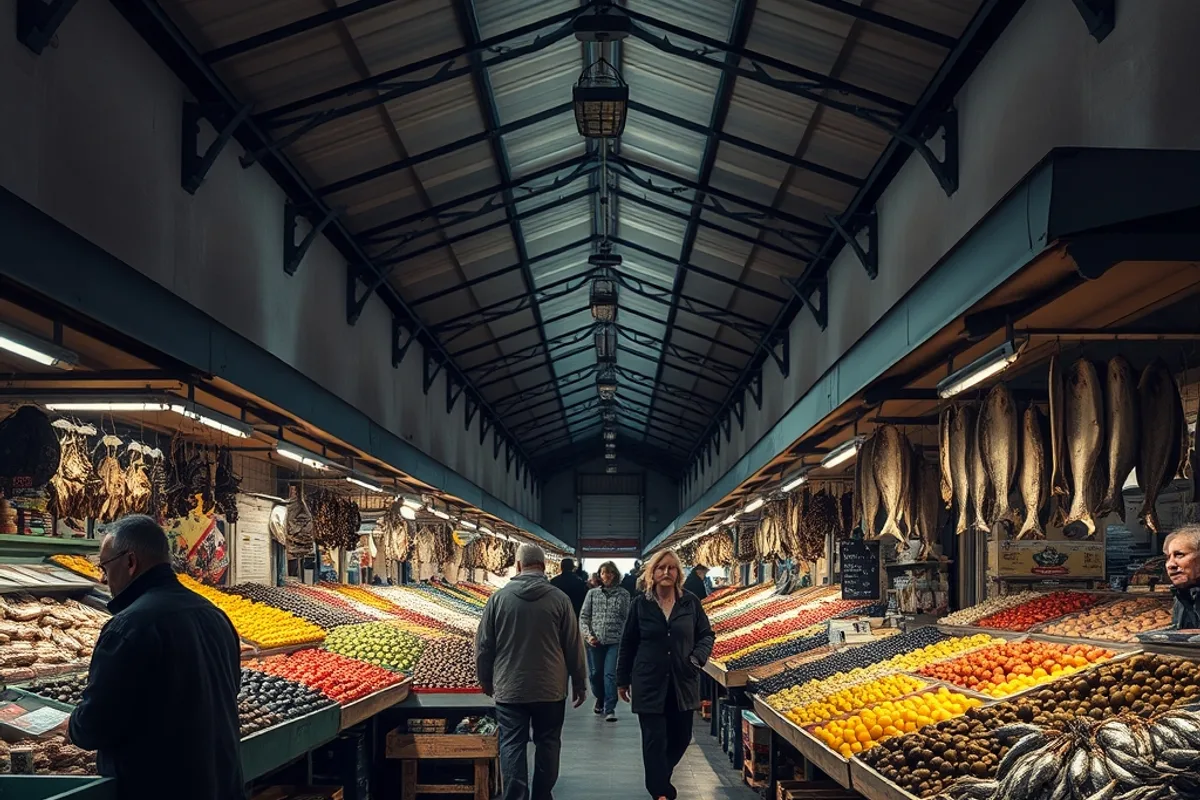
Markets are the best orientation tool in any city. They tell you what is in season, what people earn, what they eat, and how they talk to each other. In Porto, the market also tells you about the city's relationship with its own image: the old market was chaotic and beloved; the new one is orderly and debated.
Go early, buy something small, and watch. A good market is a civic institution, not an attraction. If you are lucky, you will be told off for standing in the wrong place, which is a sign that you are in the right one.
The tram test
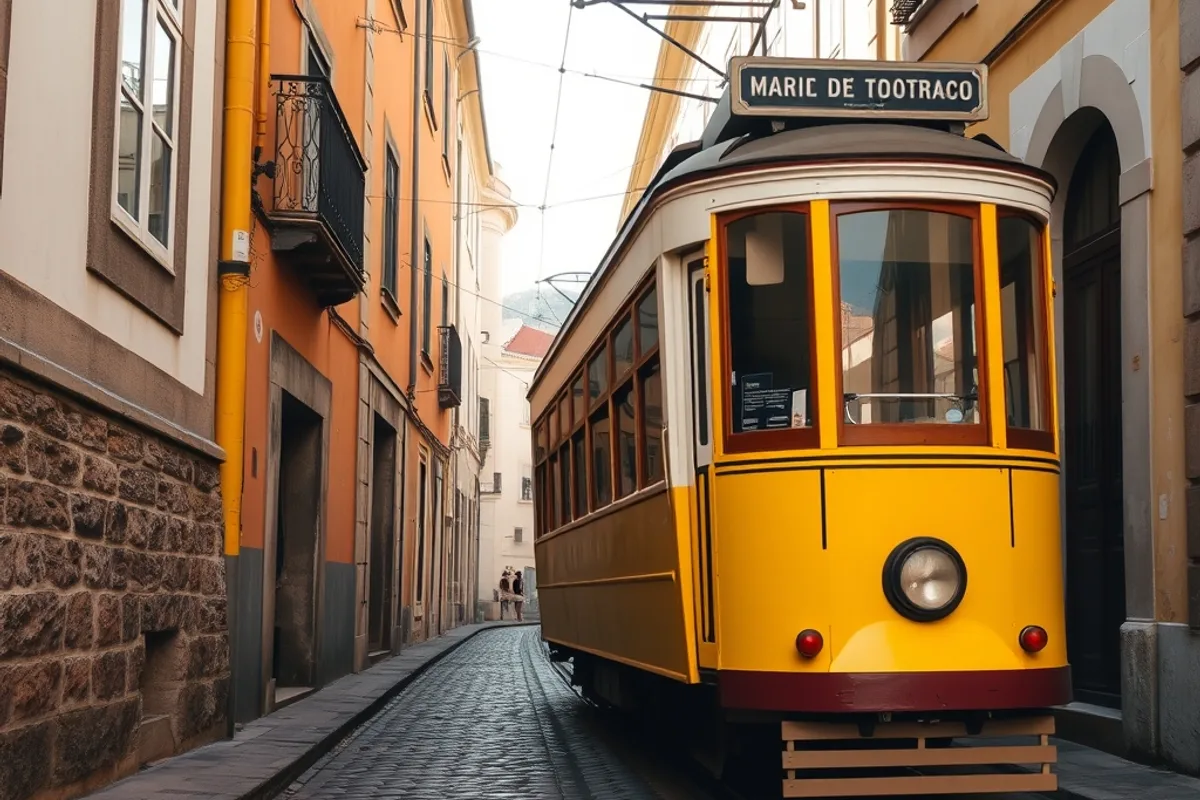
The historic tram along the river is one of those experiences that is both genuinely charming and genuinely impractical. It is slow, it is packed, and the queue can be longer than the journey. It is also the best cheap way to understand the city's geography: the river, the terraces, the steep streets and the way the old neighbourhoods cling to the bank.
The test is whether you can use it as transport rather than as a ride. Take it one stop, get off, walk. Or take the modern metro to a neighbourhood and walk back down. The city rewards the people who leave the route.
If you do take the tram, go early or late. Avoid the middle of the day. And remember that the people who use it to get to work are not part of the attraction; stand to the side, let them on, and do not block the door with a selfie stick.
How to spend three unhurried days
Day one: the old city on foot, early. The cathedral, the bridge, the Ribeira, then a long lunch in a back street. Day two: the market, a port cellar on the Gaia side, and the far bank at sunset. Day three: a tram or a train out of the centre — to Matosinhos for fish, or up the Douro for the terraces — and an evening back in the city with no plan.
Book only two things in advance: dinner on the first night and any train you actually need. Leave the rest loose. Porto is a city that rewards wandering, and the best streets are the ones with no name on the tourist map.
The view from the far bank
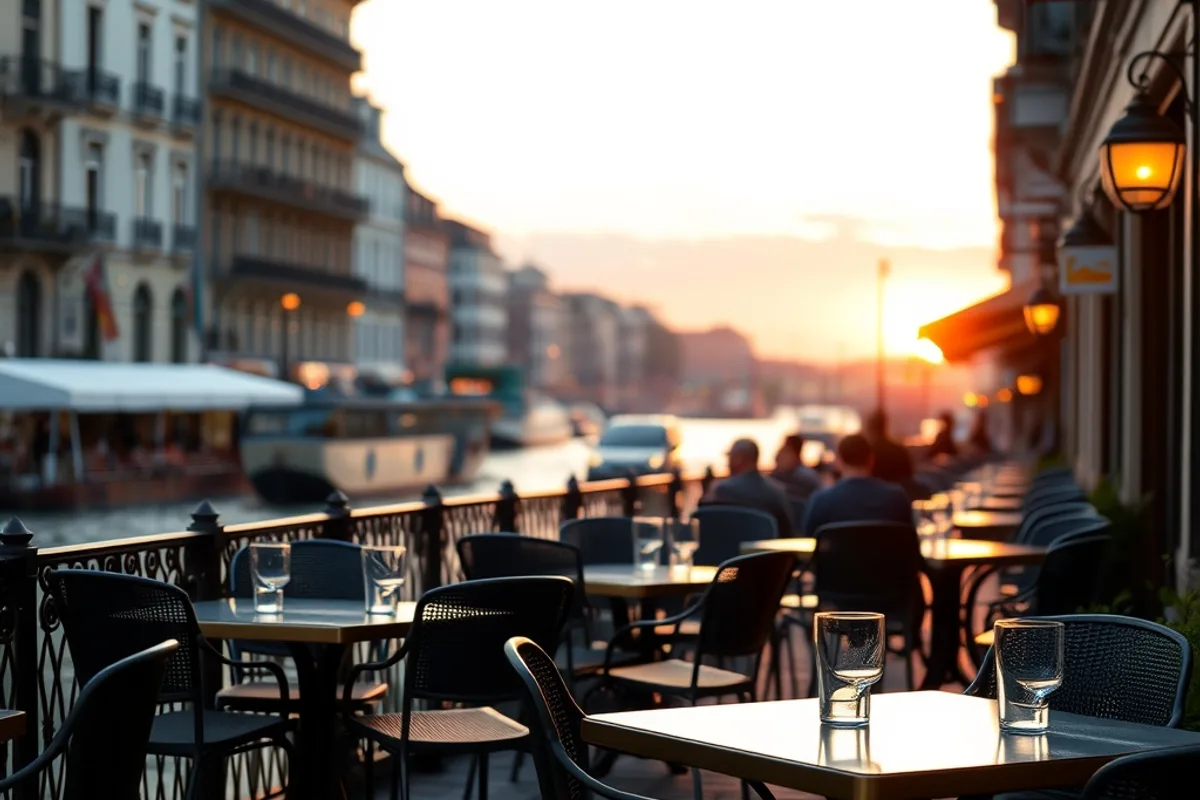
On my last evening, I crossed the bridge to Gaia and sat on the wall above the river. The light went from gold to pink to a soft, dusty blue. The city on the other side lit up window by window. A man next to me was eating a sandwich and arguing with his brother about football. Nobody was taking photographs.
That is the Porto I keep returning for: a city that can still be ordinary in the presence of its own beauty. It has learned, imperfectly, to slow down. The visitor's job is to follow its lead.