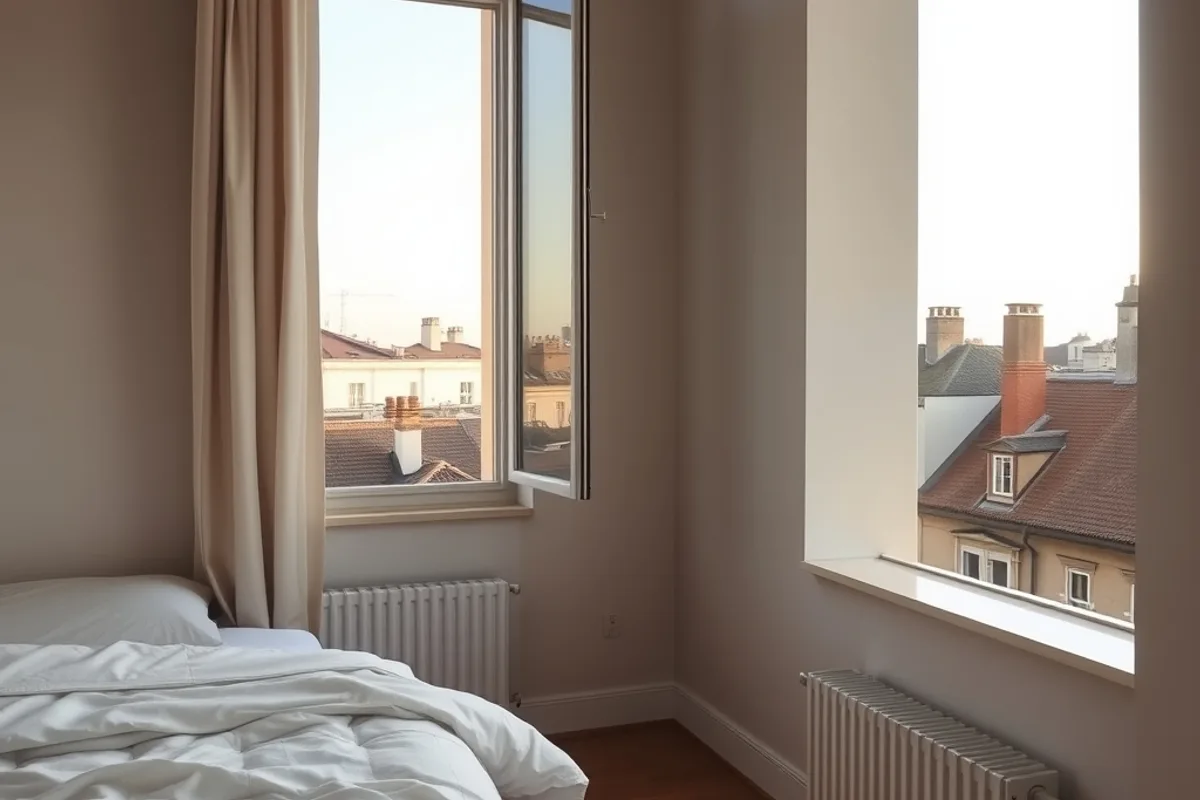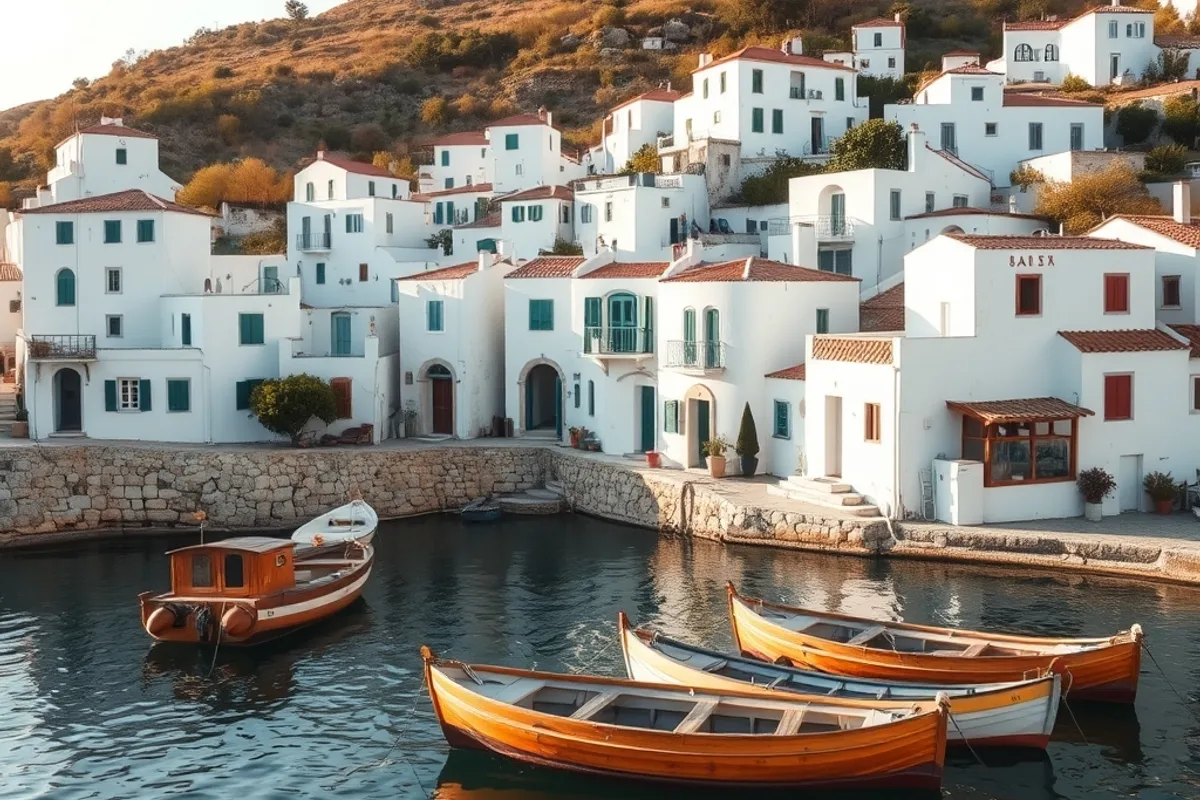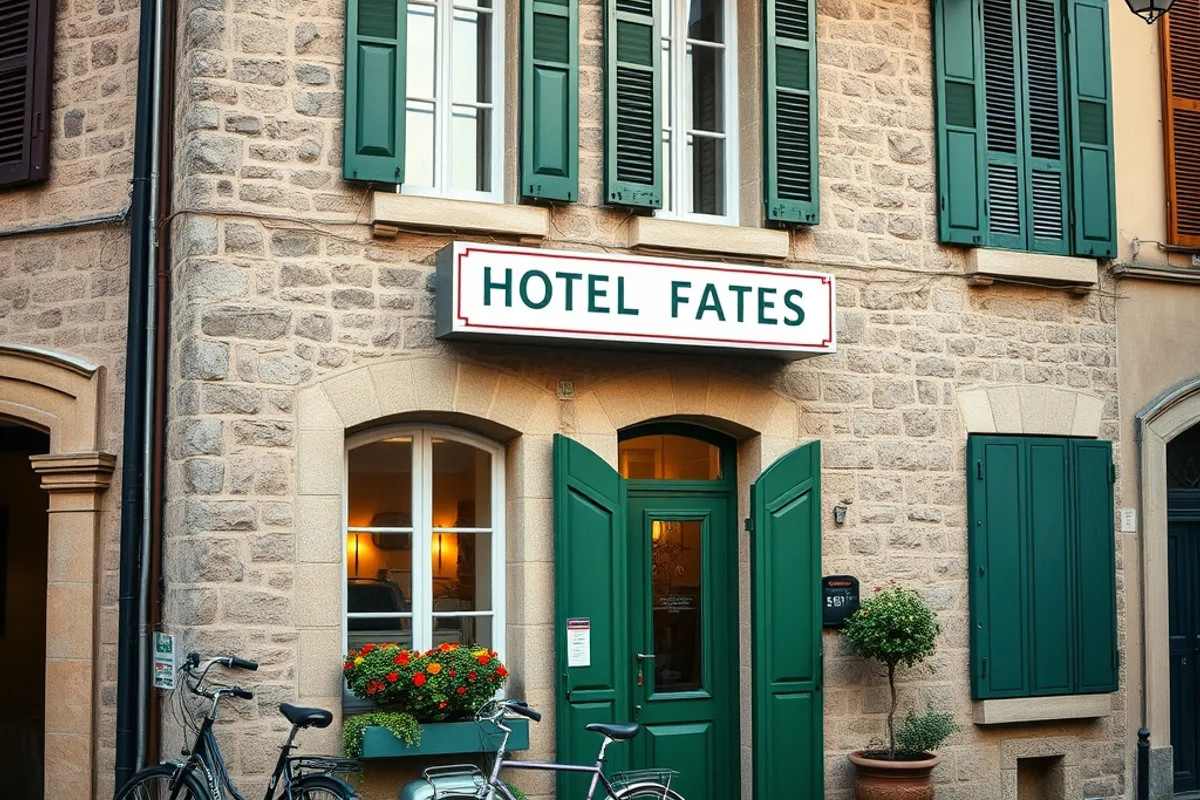
The hotel has thirty-one rooms, a lift that fits two people and a reception desk that is staffed by the owner, his daughter, and a woman named Rosa who has worked there since 1998. There is no gym, no spa, no rooftop bar and no loyalty programme. The key is attached to a brass fob. Breakfast is bread, cheese, ham, fruit, yoghurt and a cake that Rosa makes on Fridays.
It is, by the standards of the international hotel industry, a small and slightly inefficient business. It is also the kind of place that guests remember, return to, and recommend by name. In a sector that has spent two decades consolidating into brands and platforms, the independent small hotel is not a relic. It is a different way of doing the maths.
The lobby with a key rack
The first thing you notice is that the lobby is not designed to impress. It is designed to work. The desk is the right height for writing. The chairs are comfortable rather than stylish. There is a shelf of books left by guests, a bowl of apples, and a noticeboard with a bus timetable and a handwritten list of restaurants.
This is a space that has accumulated rather than been art-directed. The result is a kind of information density that a chain lobby cannot replicate: the owner knows which restaurant is good on a Monday, which taxi driver is reliable, and which room is quietest when the street cleaner comes at five.
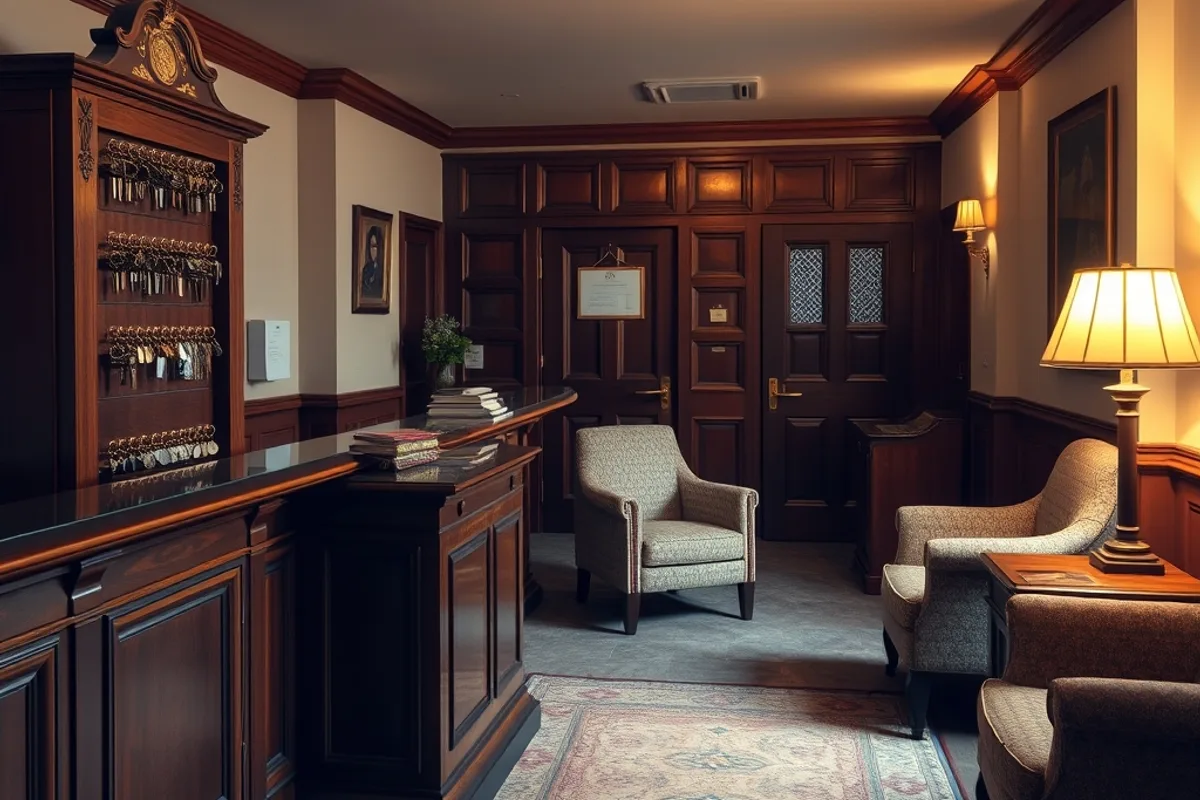
That knowledge is the small hotel's core product. It is not scalable, which is exactly why it is valuable.
Scale as a service
Large hotels compete on consistency. You know what the bed will feel like, what the breakfast will include, and how the check-in will work. That predictability is worth a great deal to a traveller in an unfamiliar city, especially on a business trip.
Small hotels compete on specificity. They cannot guarantee the same room in every city, but they can guarantee that the person at the desk knows your name, that the breakfast reflects the region, and that a problem will be solved by someone with the authority to solve it. The owner is usually on site. Decisions are made in minutes, not escalated to a regional office.
The trade-off is fragility. A small hotel has less redundancy. If the owner is ill, if the boiler fails, if the booking system goes down, there may be no one to cover. The same intimacy that makes the place charming also makes it vulnerable.
The breakfast test
Breakfast is the most honest meal in a hotel. A chain can standardise it into a buffet of warm trays and cold fruit. A small hotel either cares or it does not. When it cares, breakfast becomes a reason to stay: local cheese, proper bread, eggs cooked to order, coffee that has not been sitting in a urn since six.
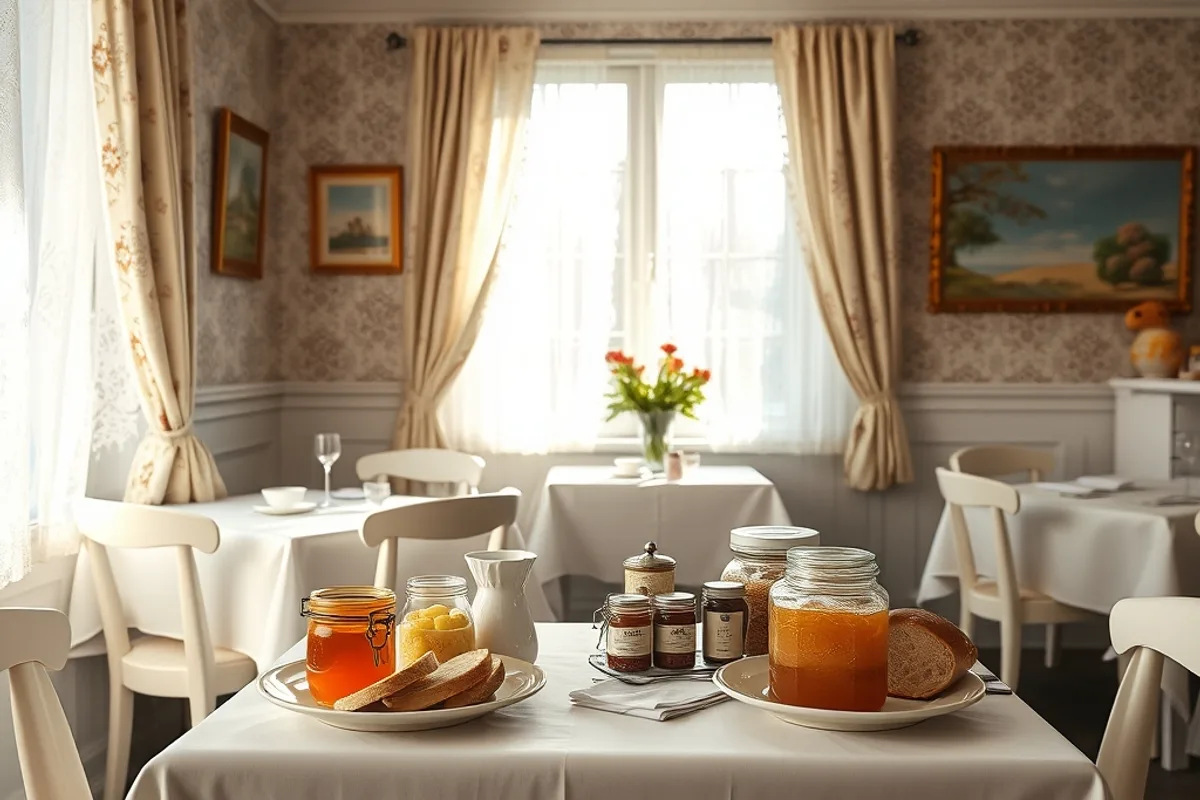
When it does not care, breakfast exposes the gap between the marketing and the reality. A sad basket of packaged croissants and a broken toaster tell you more about the operation than any website photograph.
The breakfast room is also a social space. In a small hotel, guests talk to each other. They exchange recommendations, complain about the weather, and sometimes end up sharing a table. This is not a designed experience. It is a side effect of having only twelve tables.
When small is an excuse
Not every small hotel is good. Some use their size to justify poor maintenance, outdated rooms, unreliable wifi and a reception that closes at eight. Guests are told that this is part of the charm, when in fact it is part of the cost-cutting.
The distinction is simple: a good small hotel spends its limited resources on the things guests actually use. The bed, the shower, the breakfast, the heating, the soundproofing. It may have an old carpet and a tiny lift, but the water is hot and the room is clean. A bad small hotel spends its resources on the lobby and hopes nobody notices the rest.
What big hotels do better
It is worth being honest about the advantages of scale. Large hotels have better accessibility, more consistent housekeeping, 24-hour reception, and the capacity to absorb a cancelled flight or a late arrival. They have gyms, meeting rooms and reliable wifi. They can offer a corporate rate and a loyalty scheme. For many travellers, those things matter more than charm.
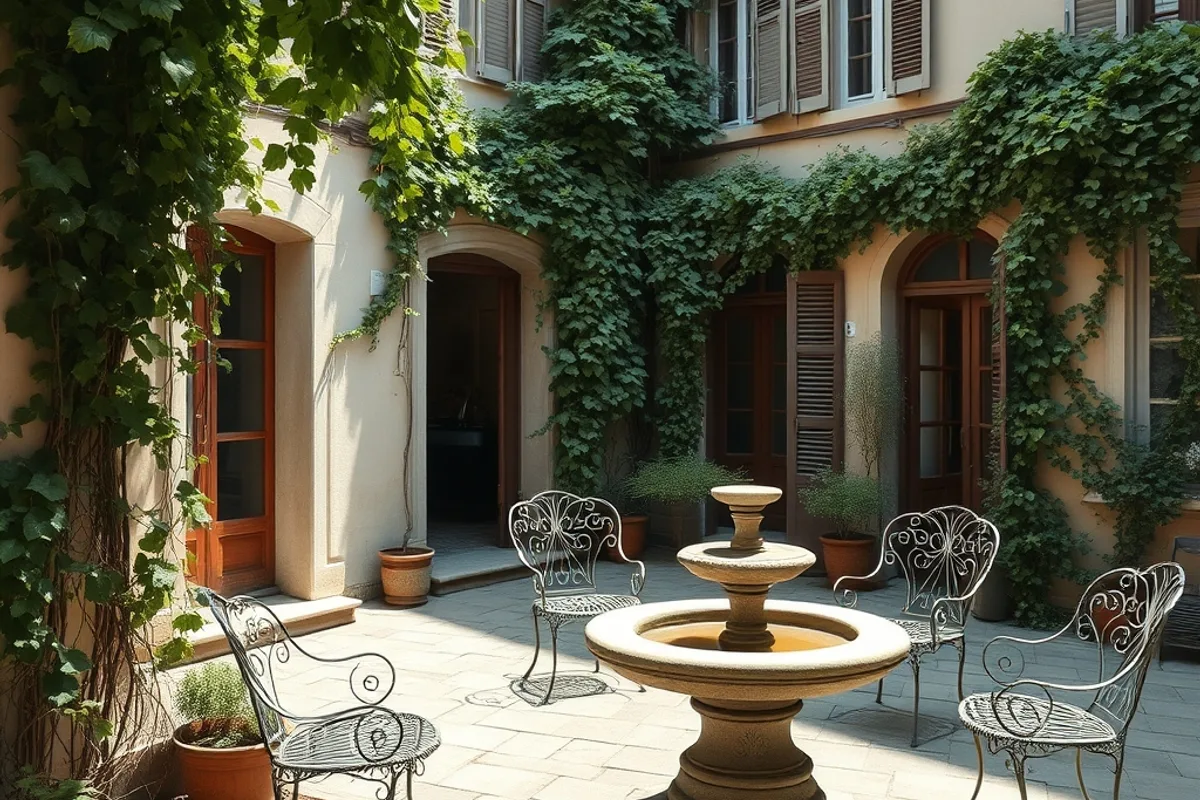
The small hotel is not morally superior. It is a different product, suited to a different kind of trip. The mistake is to compare them on the same scale and conclude that one is simply better. They are solving different problems.
The guest who returns
The owner remembers a guest who stayed for three nights in 2016. He remembers the room, the reason for the visit, and the fact that the guest asked for an extra pillow. When that guest returns, the pillow is already there. This is not a data-driven personalisation programme. It is memory, and it is the oldest form of hospitality.
Small hotels survive because enough people value that. They will never dominate the industry, and they do not need to. Their job is to remain a viable alternative for the traveller who wants a place, not a product. In a market that keeps getting bigger, that is a useful thing to keep small.