The carry-on-only trip is usually sold as a personality trait: disciplined, minimal, slightly smug. In practice it is a logistical system, and like most systems it works only if you are honest about what you actually need. The goal is not to pack less for its own sake. The goal is to move through a continent without checking a bag, waiting at a carousel, or paying an airline for the privilege of bringing clothes.
This guide assumes a trip of one to two weeks, a mix of cities and smaller towns, and weather that may include rain, sun and a cold evening. It assumes you will do laundry at least once. It does not assume you are willing to wear the same shirt for five days.
The bag is not the point
Start with the airline's actual dimensions, not the marketing description. Most European carriers allow a bag around 55 x 40 x 20 centimetres, but some are smaller, and some weigh the bag at the gate. A soft-sided bag is more forgiving than a hard shell, because it can compress into an overhead bin and a tight luggage rack.
Choose a bag with wheels only if you will be on smooth floors most of the time. Cobblestones, stairs and narrow pavements make a backpack or a shoulder bag more practical. A bag that can be carried comfortably for twenty minutes is worth more than one that rolls perfectly on a airport concourse.

Pack it once at home, walk around the block with it, and then take out two items. That is the real test.
Choose clothes that agree with each other
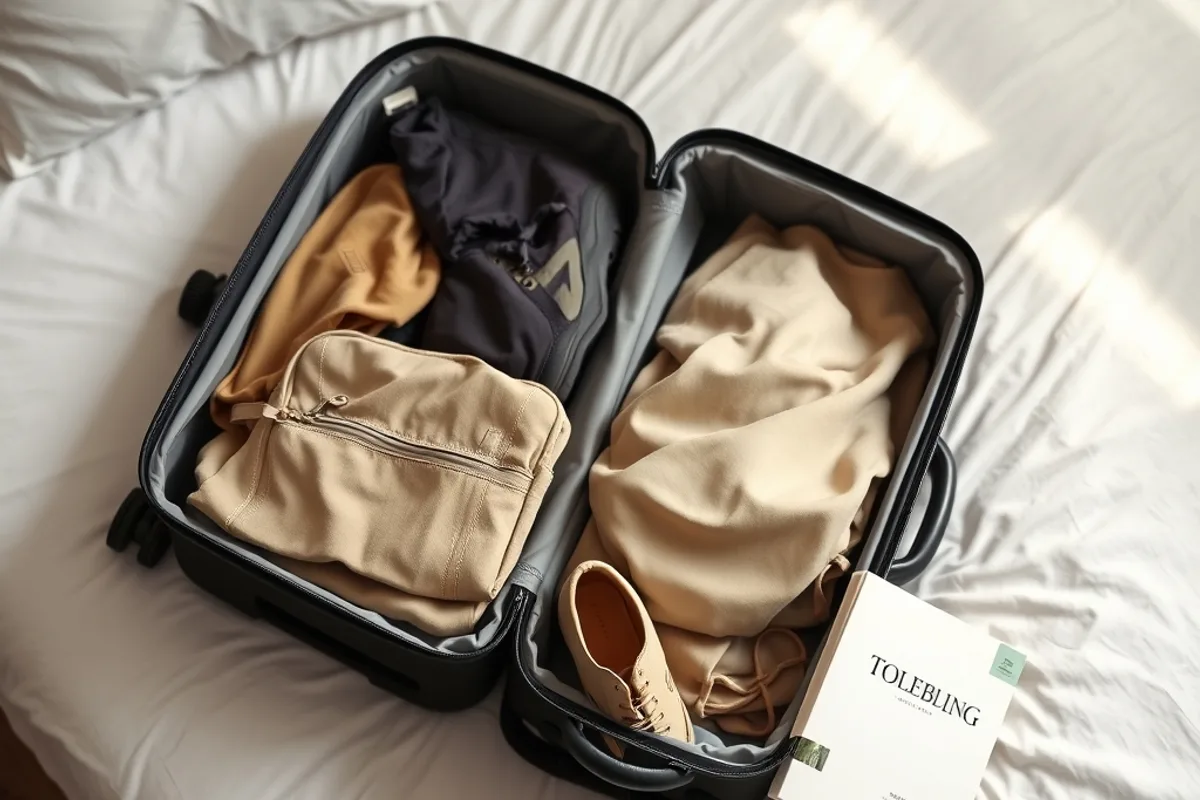
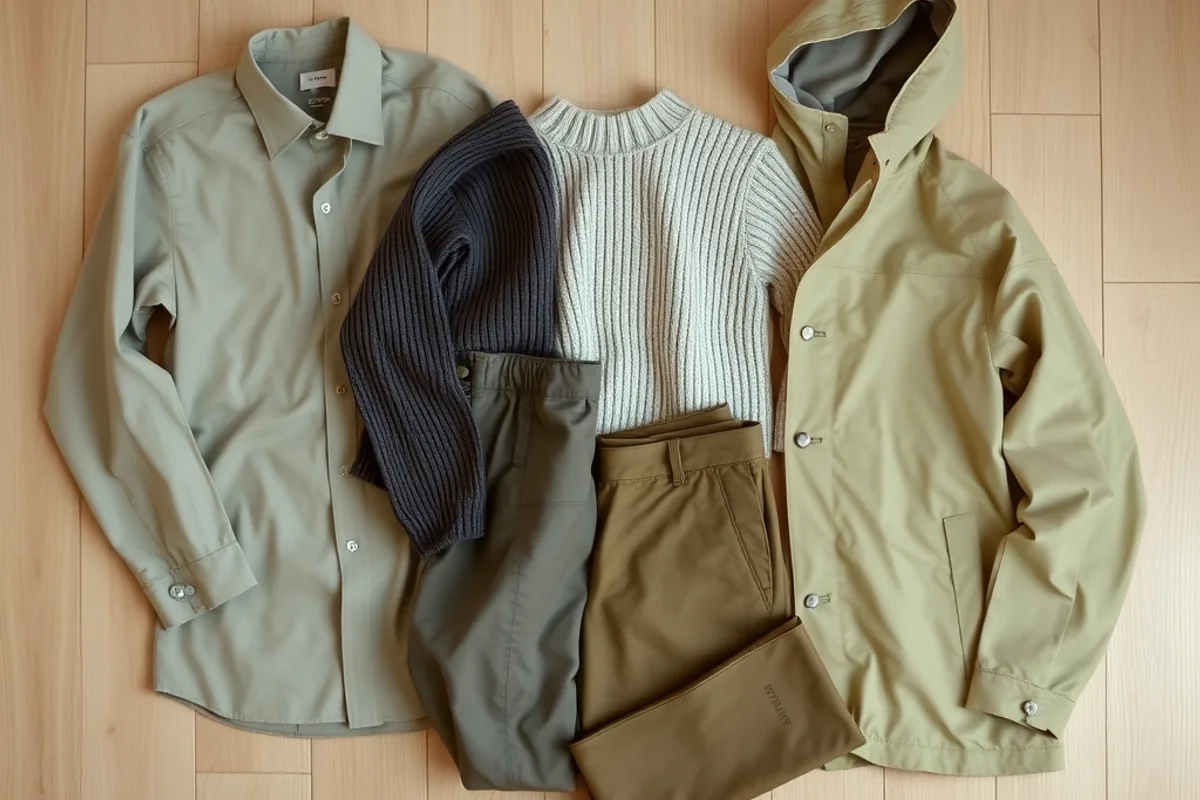
The capsule wardrobe is a cliché because it works. Pick a base colour — navy, black, olive or grey — and make sure every top, bottom and outer layer can be worn with every other one. Three tops, two pairs of trousers, one pair of shorts, one warm mid-layer, one rain shell, one pair of walking shoes and one pair of smarter shoes is enough for most trips.
Fabric matters more than quantity. Merino wool resists odour and dries quickly. Synthetic blends are durable and cheap. Cotton is comfortable but slow to dry and retains smell. Avoid anything that needs ironing, unless you enjoy spending your holiday in a launderette.
Bring one thing that is slightly too nice. A good shirt or a simple dress makes a difference in a restaurant or a hotel bar, and it weighs almost nothing.
The liquid problem
If you are flying with only a carry-on, liquids are the binding constraint. The 100ml rule is enforced inconsistently, but it is not worth arguing with. Decant toiletries into small bottles, or buy them at your destination. Solid shampoo, soap and deodorant are widely available and solve most of the problem.
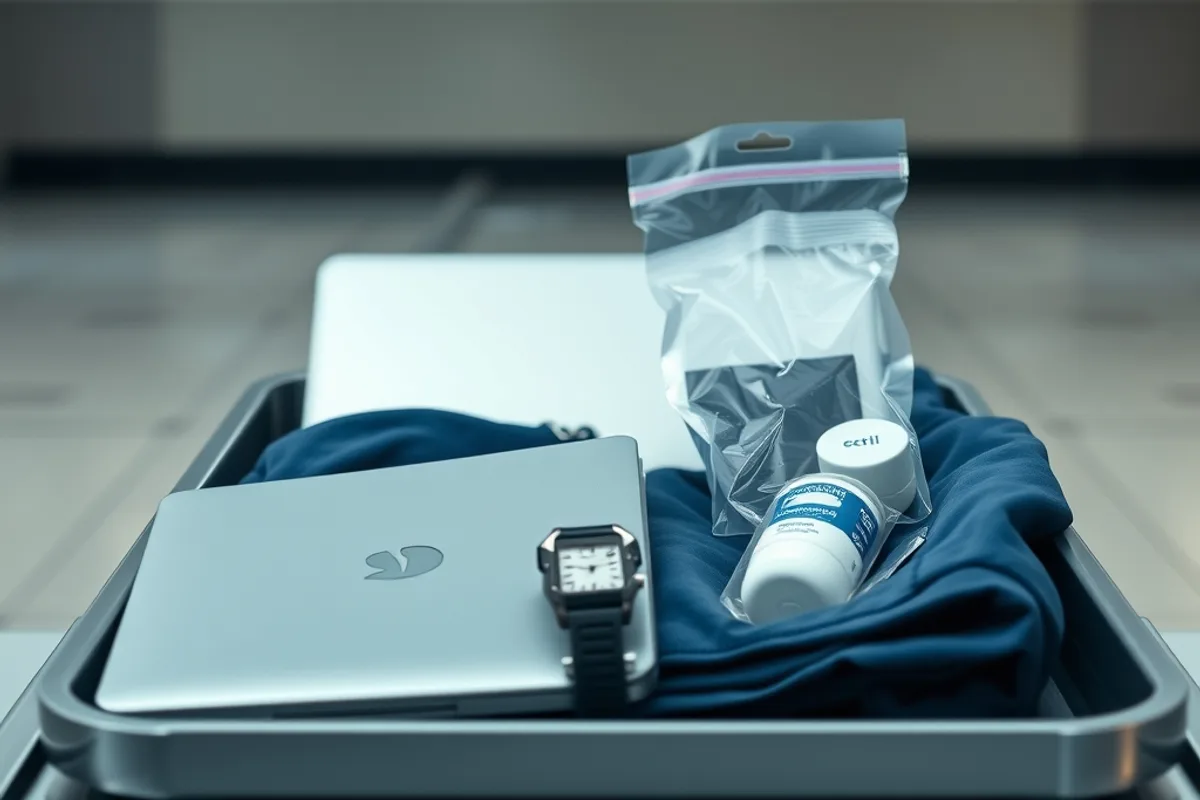
Keep a clear pouch for security and pack it at the top of the bag. Do not bury it under clothes. A small folding shopping bag is useful for the airport and for the rest of the trip.
If you take medication, keep it in your hand luggage with the prescription or a copy of the label. This is one area where the carry-on rule should not be allowed to compromise your health.
Pack for the laundromat
The secret to a two-week carry-on trip is not packing enough clothes. It is planning to wash them. A laundromat costs a few euros and takes an hour. A hotel sink and a travel clothesline can handle smaller items. Either way, build one laundry day into every five to seven days.
Choose quick-drying fabrics, bring a small bottle of detergent, and avoid white clothes that show every mark. A dark shirt can be worn twice between washes; a light one cannot.
This is also a good reason to stay in apartments or small hotels with a washing machine. The convenience is worth more than the star rating.
The return trip
Most people overpack on the way out and overpack again on the way back, because they buy things. Leave a little space, or bring a foldable tote that can become a second bag if necessary. Check the airline's rules for a personal item; a small backpack can often hold the overflow.
Do not buy souvenirs that you cannot carry. A bottle of wine is a bad idea in a carry-on. A book is a good idea only if you are willing to leave it behind. Photographs and small useful objects are the best souvenirs, because they do not require a suitcase.
What you learn
Travelling with one bag changes how you move. You take the stairs instead of waiting for the lift. You walk to the station instead of taking a taxi. You arrive earlier because you have less to lose. You are less tempted to buy things you do not need, because you have to carry them.
It is not a moral achievement. It is a constraint that makes some decisions easier. And when the trip is over, the best part is not the packing. It is walking out of the airport with everything you brought, and going home.