
A hotel review is not a measurement. It is a story someone tells about a night away from home, shaped by expectation, price, mood, weather, and the particular thing that went wrong. That does not make reviews useless. It makes them a source that needs reading, the way a good editor reads a letter from a reader: for the specific, the repeated, and the revealing.
Most people read reviews by scanning the star rating and the first few comments. That is exactly the wrong method. The average is a blunt instrument, and the first comments are often the most emotional. A better approach is slower, and it will save you from at least one bad hotel.
The review is a genre
Hotel reviews have conventions. The five-star review often describes the reviewer's own generosity: the upgrade, the welcome drink, the birthday cake. The one-star review often describes a single failure that became the whole story: a rude receptionist, a broken air conditioner, a missed wake-up call.
Both are real experiences. Neither is a reliable description of the hotel. The useful reviews are usually in the middle: three or four stars, with specific details, a balanced account of what worked and what did not. Those reviewers are paying attention.
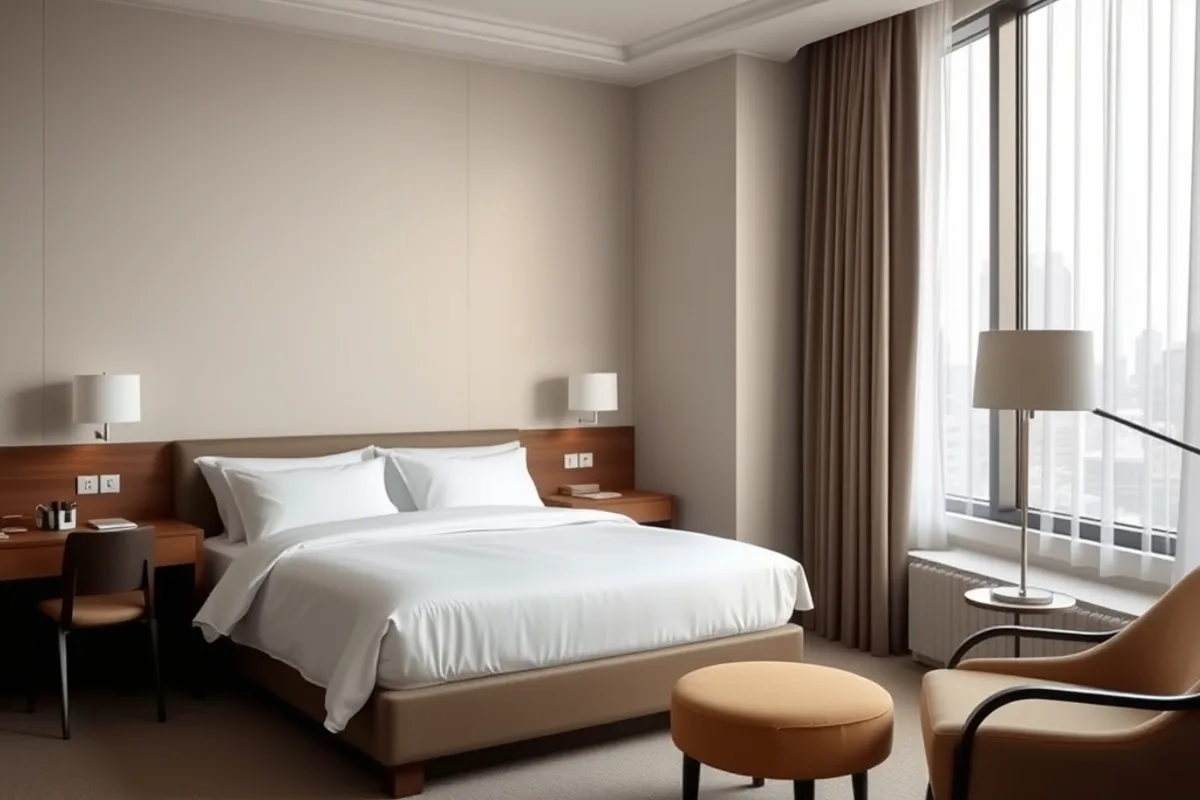
Look also at who is writing. A business traveller cares about the desk, the wifi and the checkout time. A family cares about space, noise and breakfast. A couple cares about atmosphere. A review is only useful if the reviewer wanted the same things you want.
Look for the specific
Specific details are hard to fake and easy to verify. "The room was dirty" is an opinion. "There was mould in the shower grout and the bin had not been emptied" is a claim. "The walls are thin; I could hear the lift all night" tells you something you can act on. "The staff were unfriendly" tells you almost nothing.
Read for patterns. If five reviews in the last three months mention noise from the street, believe them. If one review mentions a renovation that was completed two years ago, ignore it. If the negative reviews all complain about the same thing, that thing is probably real.
Pay attention to dates. A hotel can change hands, renovate, or let standards slip. A review from 2019 is history, not guidance. Sort by newest and read the most recent twenty before you look at the average.
The distribution matters
A hotel with a 4.2 average and a mix of reviews is often a better bet than a hotel with a 4.8 average and nothing but five-star notices. The first suggests a real place with real flaws. The second suggests either a very good hotel or a very good review-management strategy.

Look at the shape of the distribution. A cluster of ones and fives with nothing in between usually means polarised guests: perhaps a party hotel, or a property with two very different room types. A smooth curve around four is more reassuring.
Be sceptical of a sudden run of identical five-star reviews in the same week. It may be a genuine improvement, or it may be a campaign. Check whether the reviewers have other reviews and whether their language sounds like a person or a template.
Photos and dates
Guest photos are more useful than official ones, because they are less controlled. Look at the bathroom, the window, the carpet and the view. Look at the edges of the frame. A photograph that carefully avoids the street outside is telling you something.
Check the date on the photo. Hotels renovate, and old photos can be misleading in both directions. If the most recent guest photos show worn furniture, believe them over the official gallery.
Maps matter too. A hotel can be central and still be on a noisy road, a dark alley, or a twenty-minute walk from the metro. Read the location reviews, not just the property reviews. The best room in a bad location is still a bad location.

What reviews cannot tell you
Reviews rarely capture the things that matter most to a comfortable stay: the quality of the mattress, the water pressure, the soundproofing, the temperature control, the reliability of the wifi at 9 p.m. These are not exciting to write about, so people do not.
They also cannot tell you whether the hotel suits you. A hotel that is perfect for a solo traveller may be wrong for a family. A hotel that is quiet in April may be loud in August. A hotel that is excellent value at 90 euros may be poor value at 220.
Use reviews to eliminate, not to decide. They are good at identifying red flags and bad at capturing the intangible. The final decision should include the price, the location, the room type and a direct question to the hotel about the thing you care most about.
A better method
Read the newest twenty reviews. Ignore the average until the end. Look for repeated specifics, recent photographs and reviewers who share your priorities. Check the location on a map. Then ask the hotel one precise question by email: how loud is the street at night, is the lift working, can the room be made dark.
The answer will tell you more than a hundred stars. A hotel that replies promptly and honestly is usually a hotel that will treat you well. And if the answer is vague, you have learned something too.