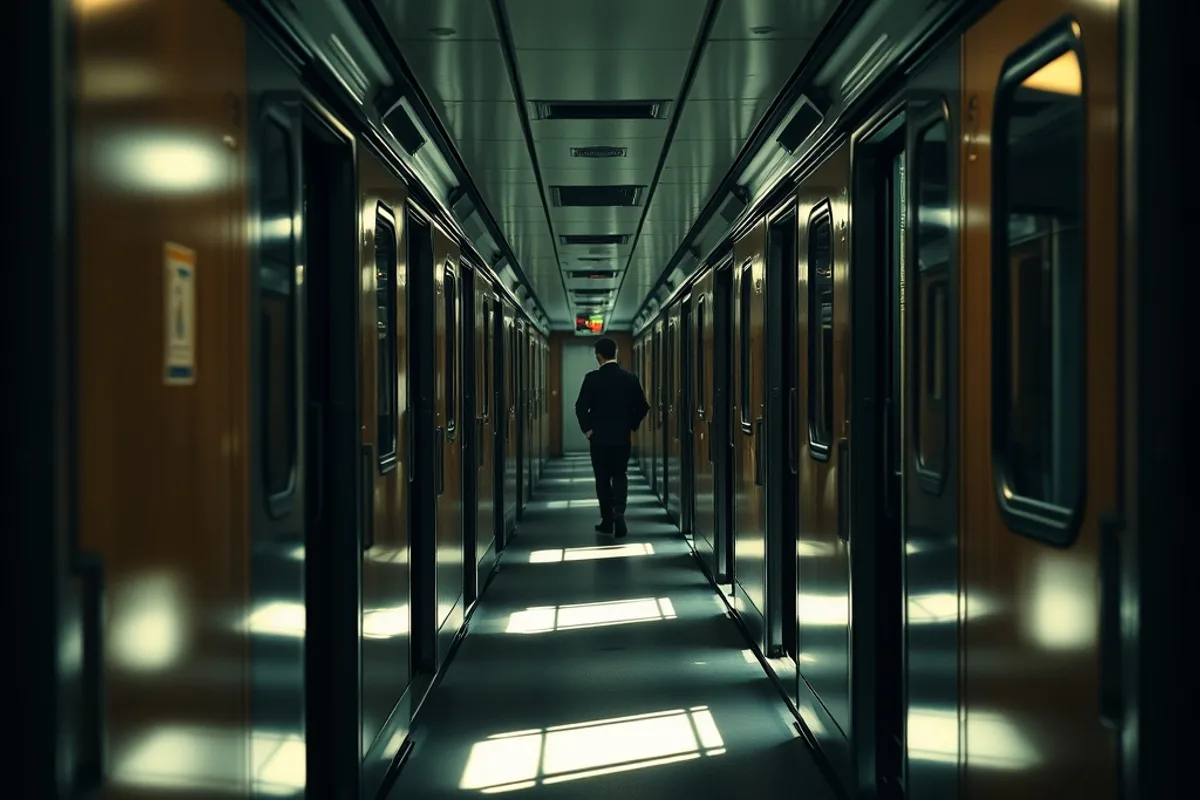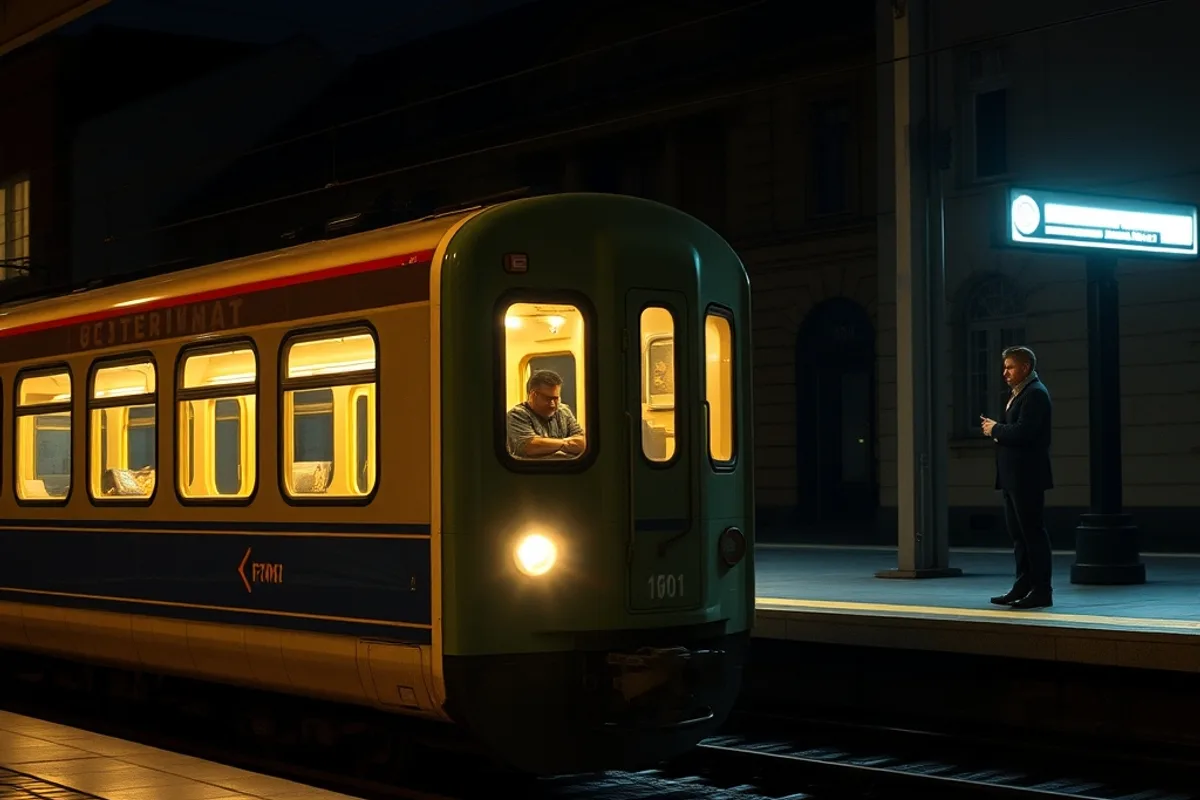
The train leaves just after ten. There is no announcement, no safety video, no queue at a gate. A conductor checks the ticket, points down the corridor, and disappears. By the time the city lights give way to fields, most of the carriage is asleep.
Night trains were supposed to be a casualty of cheap flights and high-speed rail. In the 1990s and 2000s, many routes closed: the carriages were old, the economics were difficult, and passengers preferred to fly. Then something changed. A new generation of operators, backed by public money and passenger demand, began to reopen the routes. The revival is not a romantic gesture. It is a practical response to a set of modern problems.
Why night trains returned
The first reason is climate policy. A night train can replace a short-haul flight with a fraction of the emissions, and it does so without requiring new airport infrastructure. Several European governments have made rail a condition of their transport funding, and some have introduced taxes or restrictions on short flights where a train is a reasonable alternative.
The second reason is passenger demand. A night train turns travel time into sleeping time. For a journey of eight to twelve hours, that is a genuine advantage: you leave after dinner and arrive for breakfast, with a full day ahead of you and no hotel bill for the night.
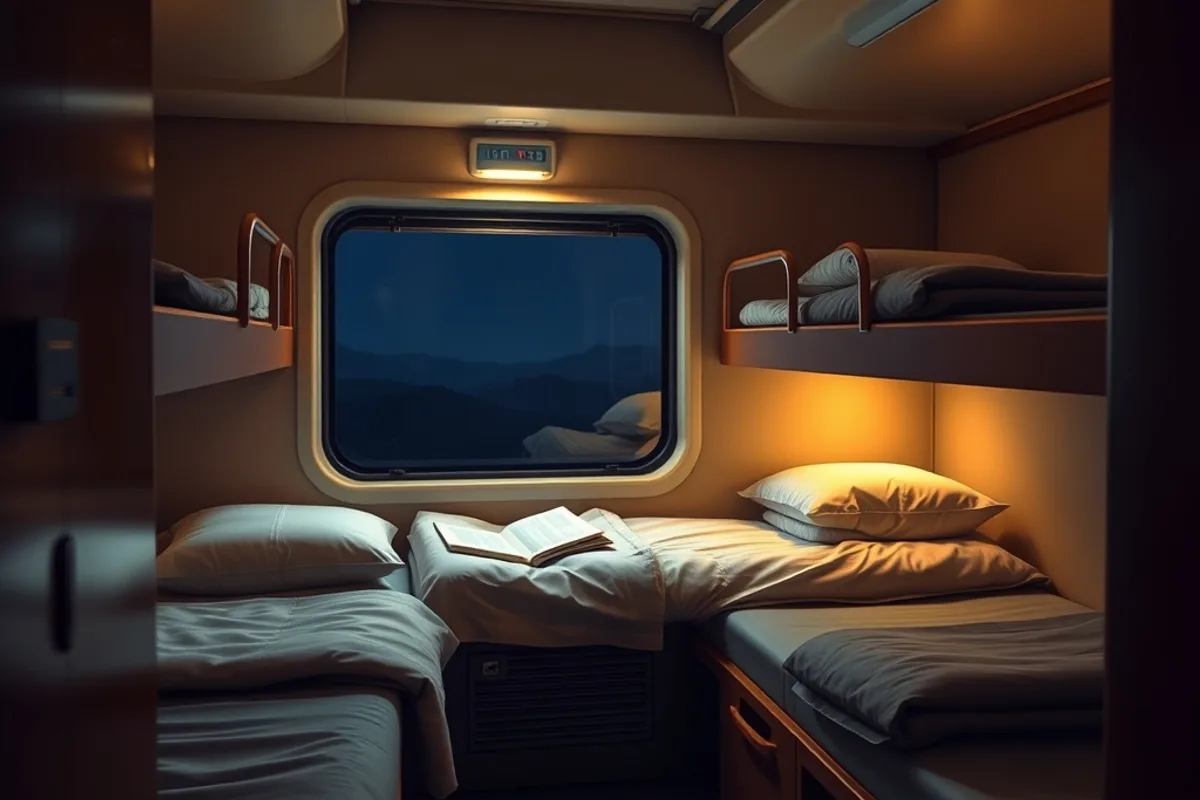
The third reason is that the infrastructure already exists. Reopening a route is cheaper than building a new high-speed line, even if the carriages need refurbishment. The constraint is not track but rolling stock, and that is slowly improving.
What a sleeper actually costs
Prices vary enormously. A couchette in a six-berth compartment can cost less than a flight, especially if booked early. A private sleeper with a bed, a washbasin and a door costs more, sometimes as much as a mid-range hotel. A luxury cabin with an en-suite shower can cost more than both.
The value calculation depends on what you replace. If the alternative is a flight plus a night in a hotel, the sleeper is often competitive. If you would have stayed with friends and taken a budget flight, it is not. The train is not automatically cheaper; it is a different bundle.
Book early. Sleeper capacity is limited, and the cheapest berths sell out first. Flexible tickets are rare, so be sure of your date. A rail pass can help, but reservations are usually extra and sometimes mandatory.
The romance problem
The marketing of night trains leans heavily on nostalgia: brass fittings, crisp sheets, a glass of wine as the sun sets. The reality is more mixed. Older carriages can be noisy and hot. Bunks are narrow. The toilet may be at the end of the corridor. The air conditioning may not work. You may share with strangers who snore.
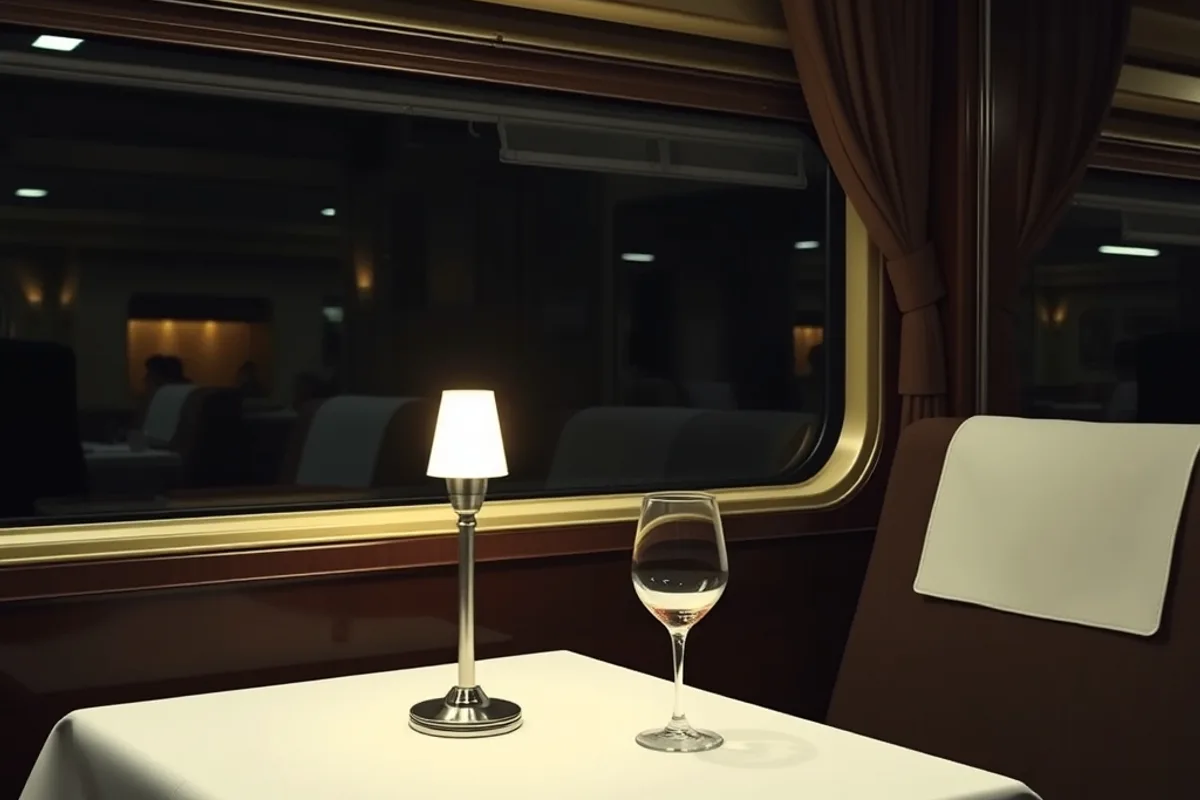
None of this is a reason to avoid the train. It is a reason to book the right class and to pack accordingly. A private cabin is worth the extra money if you need sleep. Earplugs, an eye mask and a bottle of water are essential. A sense of humour helps.
The romance is real, but it is not the point. The point is waking up in a different country without having spent a day in transit.
How to book well
Use the operator's own website where possible, especially for sleeper reservations. Third-party sites can be convenient, but they sometimes miss the cheapest fares or charge a booking fee. Check the route on a map; some trains take a scenic detour that is worth knowing about.
Choose a lower berth if you are tall or prone to climbing in the dark. Ask for a cabin away from the doors if noise bothers you. Confirm whether breakfast is included and whether there is a shower. Check the arrival time, and plan a slow morning: you will not sleep as well as you do at home.
Waking up somewhere else
At six, the light comes through the window in a thin grey line. The train is running beside a river. A man in the corridor is drinking coffee from a paper cup. The conductor knocks and says the name of the city, which is not the city you went to sleep in.
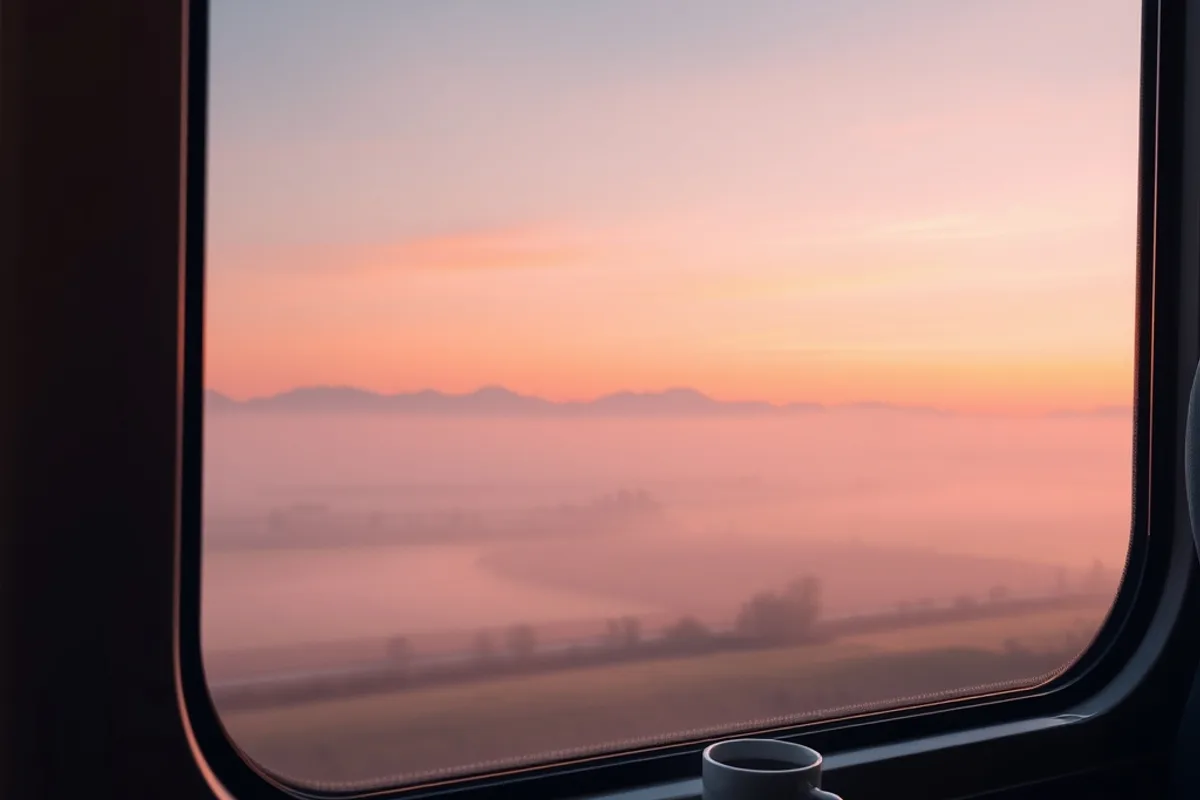
That moment is the reason people take night trains. It is not efficient, exactly, and it is not always comfortable. But it turns a journey into a night, and a night into a place. In a travel culture that prizes speed, that is a small and useful act of resistance.