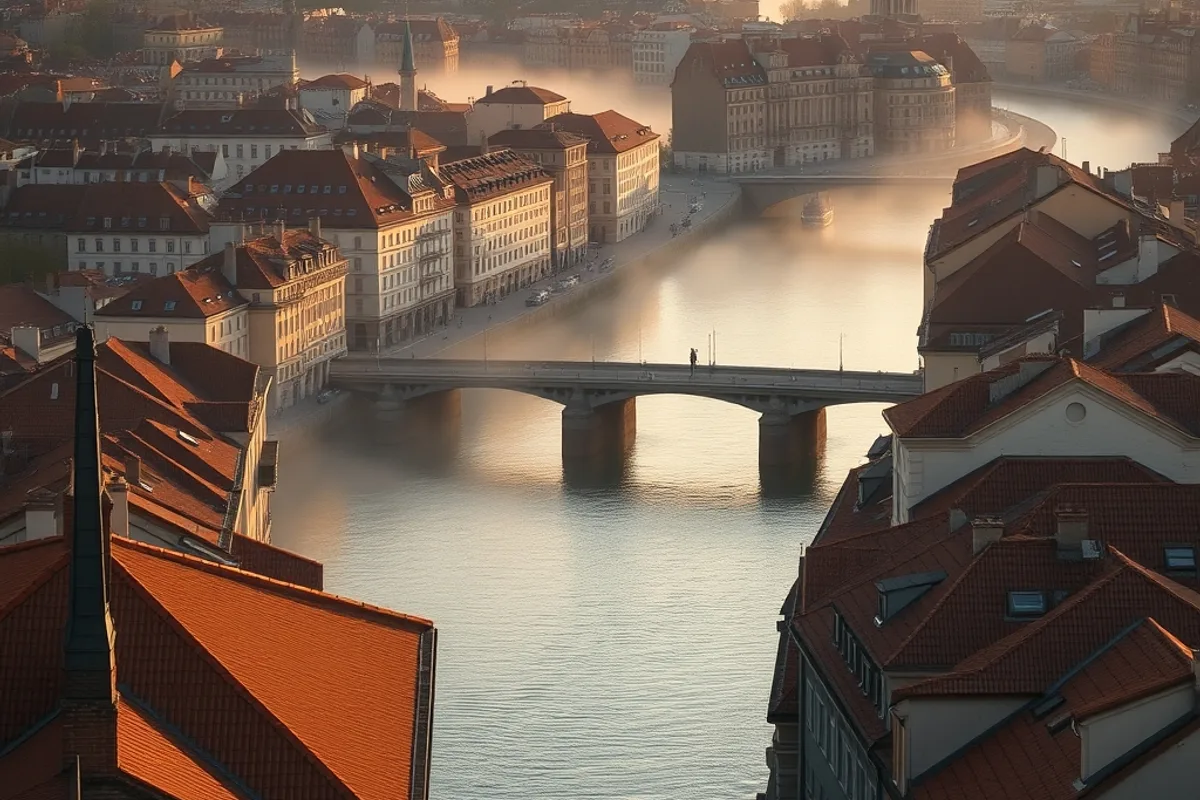
The first visit is for discovery. The second is for recognition. You turn a corner and know what is there before you see it. The bakery is on the left, the church is set back from the square, the woman who runs the hotel will be at the desk at four. The pleasure is not novelty. It is the quiet satisfaction of being expected, even if only by a building.
Returning to the same place is unfashionable in a travel culture that rewards novelty. The new city, the new restaurant, the new island: these are the stories that get told. But repetition is where travel becomes a relationship, and relationships are where the interesting questions live.
The second visit
The second visit is always a comparison. The place has changed; you have changed. The restaurant you loved has a new chef. The quiet street now has a hotel. The view is the same, but the weather is different, and so is your mood. You notice things you missed the first time: the quality of the light, the sound of the school at break, the way the town empties after six.
This is not a disappointment, although it can feel like one. It is information. A place is not a photograph. It is a living system, and the second visit lets you see the system at work.
Recognition
There is a particular pleasure in being recognised. The hotel owner remembers your name. The waiter remembers how you take your coffee. The woman at the market asks where you have been. These small acts of memory are the opposite of the anonymous service that most travel provides.
They are also a responsibility. If a place remembers you, you are no longer a pure consumer. You are a participant, with a history and an obligation. That can be uncomfortable. It can also be the beginning of something more meaningful than a holiday.
The pressure to be new
Travel media, including this site, is complicit in the pressure to be new. We publish guides to places you have not been, lists of destinations you should see next. The implicit promise is that novelty is the point.
But the most interesting travellers I know return. They go back to the same coast, the same hotel, the same table. They build a relationship with a place over years, and they see things that a first-time visitor cannot: the way a town changes, the way a family grows, the way a season shifts.
This is not nostalgia. It is a different kind of attention. The repeat visitor notices the small changes because they have a baseline. They can tell you what has improved and what has been lost.

What repetition reveals
Returning reveals that places are not static. The restaurant that was excellent may become complacent. The quiet beach may become a construction site. The family hotel may be sold. The town may be doing better, or worse, than it was.
It also reveals your own assumptions. The things you loved the first time may have been accidents of weather or mood. The things you disliked may have been misunderstandings. A second visit is an education in humility.
The ethics of return
There is a tension in returning. The place you love is also a place that other people live. Your presence, however modest, contributes to the pressures of tourism: housing, prices, congestion, waste. The repeat visitor cannot pretend to be invisible.
The least you can do is spend deliberately. Use local businesses. Avoid the properties that have displaced residents. Respect the seasons. Do not treat the place as a second home if it is not yours. And be honest about the fact that your affection is not the same as belonging.
Some places are better left alone. Some are better visited in a way that supports the people who live there. The difference is not always obvious, but it is worth thinking about.

A place that knows you
On the last evening, I walk down to the harbour. The same man is fixing a net. The same dog is asleep outside the bar. The light is the same colour it was two years ago, and I am the only thing that has changed.
That is the strange gift of returning: the place holds still long enough for you to notice yourself. It is not a mirror, exactly. It is a room you have been in before, with the furniture slightly moved. You sit down, and you know where you are.